Few things are as frustrating as reaching for your trusted shop vacuum, only for it to sputter with weak suction when you need it most. Whether you’re tidying up a dusty workshop, clearing construction debris, or tackling a flooded basement, a shop vacuum is an indispensable workhorse. When it loses its power, it brings your productivity to a screeching halt. But don’t despair—in many cases, the solution is simpler than you think. With a little troubleshooting and some quick DIY fixes, you can often restore your shop vacuum to its former glory without a trip to the repair shop or a costly replacement. This comprehensive guide will walk you through the most common reasons for lost suction and provide actionable, step-by-step solutions to get your shop vac roaring back to full power.
Understanding Shop Vacuum Suction Loss
At its core, a shop vacuum operates on a simple principle: it creates a sealed, low-pressure environment, allowing atmospheric pressure to push air and debris into the collection tank. For this system to work efficiently, two crucial elements must be present: an airtight seal throughout the system and an unobstructed pathway for airflow. When your shop vacuum loses suction, it almost always boils down to a compromise in one of these two areas—either air is escaping somewhere it shouldn’t, or debris is blocking the path of the incoming air. Identifying which of these issues is at play is the first step toward a quick fix.
Essential Safety Steps Before Troubleshooting
Before you embark on any diagnostic or repair work, always prioritize your safety. This equipment can be powerful, and electrical components are involved. The very first and most critical step is to unplug your shop vacuum from the power source. This eliminates any risk of accidental startup or electrical shock while you are inspecting internal components or clearing blockages. Additionally, consider wearing personal protective equipment (PPE) such as safety glasses to protect your eyes from dust or dislodged debris, and work gloves to protect your hands, especially when reaching into tight spaces or handling sharp objects.
Step-by-Step DIY Solutions to Restore Suction
Most shop vacuum suction problems can be resolved with a methodical approach to checking a few key areas. Start with the simplest checks and work your way through these steps to quickly pinpoint and fix the issue.
1. Check and Empty the Collection Tank or Bag
|
Our Picks for the Best Shop Vacuum in 2026
As an Amazon Associate I earn from qualifying purchases.
|
||
| Num | Product | Action |
|---|---|---|
| 1 | Shop-Vac 5989305 Wet/Dry Vacuum, 5 Gallon, 4.5 Peak HP Stainless Steel Vacuum, 1.25 Inch Diameter x 7 Foot Hose, 6 Ft Cord Length, Ideal for Jobsite, Garage, Car & Workshop |

|
| 2 | DEWALT DXV16PA 16 Gallon Poly Wet/Dry Vac/Acc, 6.5HP Shop Vacuum Wet/Dry for Jobsite/Workshop, Yellow |
|
| 3 | Stanley - SL18129 Wet/Dry Vacuum, 4 Gallon, 4 Horsepower, Stainless Steel Tank Silver+yellow |
|
| 4 | Armor All VBV809 0901 8-Gallon 4.5 Peak HP Wet/Dry Vacuum with Detachable Blower, Orange |
|
| 5 | Vacmaster Wet/Dry Vacuum with Detachable Blower 6 Gallon 5 Peak HP-VBVB611PF 1101 |
|
| 6 | Kärcher Shop Vacuum WD 4, 5.3 Gal, 3.8 Peak HP, 33 ft Reach, Wet Dry Vacuum Cleaner, Heavy Duty, Blower Function, Crevice Tool, Floor Nozzle, Great for DIY Projects and Workshops |
|
| 7 | Shop-Vac 5985005 6 Gallon Wet/Dry Vacuum, 3.5 Peak HP, 1.25 Inch Diameter x 7 Foot Hose, 6 Foot Cord, Ideal for Home, Garage, and Workshop Cleaning |
|
| 8 | Shop-Vac 9522205 5 Gallon 5.5 Peak HP Hangup Wet/Dry Vacuum, 1.25 Inch Diameter x 18 Foot Hose, 6 Foot Cord, Wall Mount Included, Ideal for Garage, Workshop & Home |
|
| 9 | Vacmaster VF408 4 Gallon Wet/Dry Vacuum Cleaner with 2-Stage Motor |
|
| 10 | Armor All VO408S 0901 4 Gallon 3 Peak HP Stainless Steel Wet/Dry Vacuum, Orange |
|
The simplest explanation for poor suction is often the most overlooked: a full collection tank or a clogged disposable bag. Just like a respiratory system struggling to breathe through congested lungs, an overfilled vacuum cannot maintain adequate airflow. When the tank or bag becomes packed with debris, there’s nowhere left for air to move, which directly chokes the vacuum’s ability to create suction.
To address this, open your shop vacuum’s canister. If your model uses a disposable collection bag, carefully remove the old bag and replace it with a new, compatible one. Ensure it’s seated correctly and completely unfolded inside the tank. If your vacuum is bagless, empty all the accumulated debris into a waste bin. It’s also a good practice to wipe down the inside of the tank to remove any clinging dust or residue. Before reassembling, double-check that the motor head is securely seated on the canister and all latches are fully engaged to ensure an airtight seal.
2. Inspect and Clean or Replace the Filter
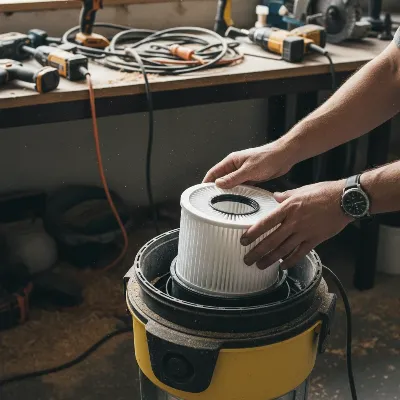
The filter is arguably the most critical component for maintaining consistent suction and protecting the motor from fine dust. A dirty, clogged, or damaged filter is a primary culprit for diminished suction, significantly hindering airflow. Over time, even seemingly minor dust buildup can create a substantial barrier.
Begin by removing the filter according to your shop vacuum’s manual. Filters come in various types—cartridge, foam, or cloth bags—each requiring different cleaning methods. For many cartridge filters, a gentle tap against a hard surface can dislodge loose dust. You might also use a soft brush or compressed air (blown from the clean side of the filter, away from the pleats) to clean out embedded particles. If you have a washable foam or certain specialized filters, rinse them thoroughly with water until the water runs clear. However, ensure they are completely air-dried—which can take 24 to 48 hours—before reinstallation, as moisture can damage the motor. Non-washable paper filters that are heavily soiled or damaged, with visible tears or excessive dust buildup that won’t come clean, should be replaced immediately. Always ensure the filter is properly seated and sealed when reinstalled to prevent bypass air and maintain filtration efficiency.
“A shop vacuum’s performance hinges significantly on a clean filter; neglect this, and you’re essentially running a vacuum with asthma.” – Eliza Technician, ReviewEliza.com Admin.
 Close-up of a hand cleaning a dirty shop vacuum filter by tapping it, highlighting the dust clouds
3. Clear Clogs in the Hose and Attachments
Beyond the tank and filter, the hose and any attached accessories are common choke points where debris can accumulate and cause significant blockages. Large pieces of wood, fabric scraps, clumps of hair, or even compacted fine dust can become lodged, creating an impassable barrier for airflow.
To check for clogs, first, disconnect the hose from both the shop vacuum’s intake port and any attachments (nozzle, extension wands). Hold one end of the hose up to a bright light source and look through it; you might be able to spot visible obstructions. If not, use a long, sturdy stick (like a broom handle), a specialized hose-cleaning tool, or even another, smaller hose to push through the length of the hose, dislodging any trapped debris. For flexible wet/dry hoses, carefully tapping the hose on the ground can sometimes shake loose compacted material. If safe for your hose type, you can also run water through it to flush out stubborn clogs, but ensure it’s completely dry before any dry vacuuming. Don’t forget to inspect each attachment (nozzles, wands) for individual blockages as well. A quick diagnostic tip: with the hose disconnected from the vacuum, turn on the vac and place your hand over the suction port on the unit itself. If you feel strong suction there, the problem is definitively in the hose or attachments.
4. Identify and Seal Air Leaks
A shop vacuum’s suction power relies heavily on maintaining an airtight system. Any crack, hole, or loose connection in the vacuum’s body, hose, or attachments acts like a leak in a boat, allowing air to escape and dramatically reducing the effective suction at the nozzle. Even a small breach can significantly compromise performance.
Perform a thorough visual inspection of your entire shop vacuum system. Start with the hose: carefully run your hands along its entire length, feeling for any tears, punctures, or brittle spots. Check the cuffs at both ends where it connects to the vacuum and attachments—these can sometimes crack or come loose. Next, examine the seals around the motor head and the collection tank. Ensure all latches are fully secured and that the rubber gasket, if present, is intact and creating a tight seal. Also, check the connections of all accessories; they should fit snugly without any gaps. Small cracks or holes in the hose can sometimes be temporarily mended with strong, airtight duct tape, but for optimal, long-term performance, a severely damaged hose usually requires replacement. Similarly, a worn or damaged gasket on the motor head should be replaced to restore an airtight seal.
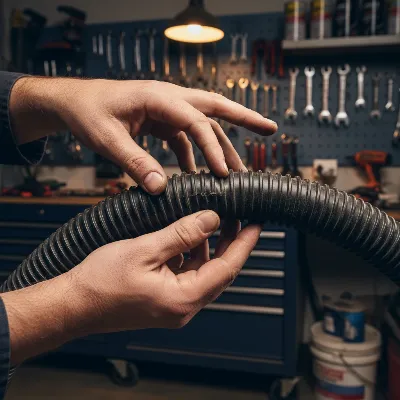 A person inspecting a shop vacuum hose for cracks or leaks in a garage setting
5. Advanced Checks: Impeller and Motor Issues
While less common for everyday DIY fixes, the internal components of your shop vacuum, specifically the impeller (the fan that creates suction) and the motor, can also contribute to a loss of suction. These issues typically manifest after other, simpler problems have been ruled out.
With the vacuum still unplugged, carefully remove the motor head to access the impeller. Inspect the fan blades for any lodged debris like string, fabric, or small pieces of plastic that could be jamming or damaging them. Gently clear any obstructions. Be cautious, as impellers can have sharp edges. Also, check for any visible damage to the impeller blades themselves; bent or broken blades will significantly reduce airflow. If you hear unusual grinding noises during operation, smell burning, or the motor seems to struggle or overheat even after addressing all other potential issues, it could indicate a failing motor. At this point, attempting further DIY repairs on the motor assembly is generally not recommended unless you are an experienced technician. Such symptoms typically warrant professional service or, for older units, considering a replacement.
Proactive Maintenance: Keeping Your Shop Vacuum Powerful
Preventing suction loss is always easier than fixing it. Incorporating a few simple maintenance habits into your routine will significantly prolong your shop vacuum’s life and ensure it’s always ready for the toughest jobs. Regularly empty the collection tank or replace the bag before it gets completely full; this maintains consistent airflow and prevents strain on the motor. After each major use, take a moment to inspect and clean your filter, or replace it if necessary. Always check the hose and attachments for any residual debris before storing the unit away. Furthermore, store your shop vacuum in a clean, dry environment to protect its components from wear and corrosion. Finally, using the correct type of filter for your specific task—such as a fine dust filter for drywall debris or a foam filter for wet pickup—will not only optimize performance but also extend the life of your main filter and motor.
Conclusion
A shop vacuum that has lost its suction can quickly turn a productive work session into a frustrating ordeal. However, as we’ve explored, most instances of diminished power can be traced back to a few common, easily remedied issues: a full tank or bag, a clogged filter, obstructions in the hose or attachments, or air leaks in the system. By systematically checking these areas and applying the simple DIY fixes outlined in this guide, you can confidently diagnose and restore your shop vacuum’s full cleaning prowess. Regular, proactive maintenance will further ensure that your essential tool remains a reliable workhorse for years to come. Ready to get your shop vacuum roaring back to full power?
Câu Hỏi Thường Gặp
How often should I clean my shop vac filter for optimal suction?
For heavy use or when picking up fine dust, inspect and clean your filter weekly or monthly. For lighter, occasional use, quarterly cleaning might be sufficient. Always prioritize immediate cleaning if you notice a noticeable drop in suction, regardless of your schedule.
Can I wash a paper cartridge filter from my shop vacuum?
Generally, no, most paper cartridge filters are not designed to be washed. Water can damage the paper media, compromising its filtration effectiveness and potentially leading to motor damage. Always consult your Shop Vacuum’s user manual; foam filters are typically the only washable type.
What’s the best way to clear a stubborn clog in my shop vacuum hose?
After disconnecting the hose from both ends, try pushing a stiff wire, a broom handle, or a dedicated hose-cleaning brush through it. You can also try carefully tapping the hose on a hard surface. For wet/dry hoses, a strong flush with water can dislodge blockages, but ensure it dries completely afterward.
Why does my shop vacuum still have weak suction after I’ve emptied it and cleaned the filter?
If suction remains weak after these steps, meticulously check for hidden clogs in the hose or attachments, especially at the connection points where debris can get lodged. Also, thoroughly inspect for any air leaks around the lid seal, hose connections, and any subtle cracks in the canister or hose itself.
Should I use a bag in my shop vacuum if it’s bagless?
While not strictly necessary for all bagless models, using a disposable collection bag can significantly improve filtration, make emptying debris much cleaner, and protect the primary filter from fine dust. This indirect protection can help maintain suction by keeping the main filter cleaner for longer periods. Check your manual for bag compatibility.