For those who regularly tackle tough clean-up jobs, from sawdust in a bustling workshop to water spills in a flooded basement, a standard household vacuum simply won’t cut it. You need the robust power and durability of a shop vacuum, an essential tool designed to handle heavy-duty wet and dry messes with ease. Among the various types available, stainless steel shop vacuums stand out as a premium choice, offering enhanced longevity and a professional aesthetic that plastic models often can’t match. This guide will delve into why stainless steel is a superior option, what features to prioritize, and highlight some of the top rust-resistant models on the market in 2026, helping you find the perfect partner for your most demanding cleaning tasks.
Understanding Shop Vacuums: Beyond the Household Cleaner
A shop vacuum, often referred to as a wet/dry vacuum, is a powerful cleaning appliance specifically engineered for industrial, workshop, garage, and construction site environments. Unlike typical household vacuums that are limited to dry debris and often struggle with anything substantial, shop vacuums are built to handle a wide array of challenging messes, including liquids, fine dust, wood chips, metal shavings, and even small pieces of construction debris. Their robust design and powerful motors make them indispensable tools for both professionals and serious DIY enthusiasts.
The primary advantage of using a shop vacuum over a conventional home vacuum lies in its versatility and sheer power. Shop vacuums are equipped with stronger motors, larger collection tanks, and more durable hoses and attachments, allowing them to suck up materials that would instantly clog or damage a standard vacuum. This capability extends to both wet and dry applications, meaning you can seamlessly transition from clearing a puddle to vacuuming sawdust without needing different machines. Their ability to recover valuable materials, contain harmful dust, and withstand rigorous use significantly contributes to a cleaner, safer, and more efficient workspace. For explore our shop vacuum reviews on this site.
Stainless Steel vs. Plastic Shop Vacuums: The Durability Debate
When selecting a shop vacuum, one of the first decisions you’ll face is the material of its collection tank: plastic or stainless steel. Each material offers distinct benefits, but stainless steel often emerges as the preferred choice for those seeking maximum durability and a rust-resistant solution.
Stainless steel tanks are renowned for their exceptional strength and resistance to impact, making them ideal for demanding environments where bumps and knocks are common. They are less prone to cracking, especially in colder temperatures or when dealing with heavy debris, which can be an issue with plastic tanks. Furthermore, stainless steel is significantly easier to clean. Its smooth, non-porous surface resists staining and odors, allowing for quick rinsing and hygienic maintenance after handling wet or particularly messy waste. Many users also appreciate the sleek, professional appearance of a stainless steel unit in their workshop or garage.
However, the “won’t rust” claim requires a closer look. While high-quality stainless steel is inherently corrosion-resistant due to its chromium content, it’s not entirely impervious to rust under specific conditions. Leaving water or corrosive liquids in the tank for prolonged periods, especially if the protective passive layer of the steel is compromised by harsh chemicals or abrasive cleaning, can potentially lead to surface rust. Therefore, proper maintenance, such as emptying and thoroughly drying the tank after wet use, is crucial to ensure your stainless steel shop vacuum remains rust-free for years to come.
Conversely, plastic tanks are typically lighter and generally more affordable, and they won’t dent like metal tanks. They are also immune to rust by nature. However, plastic can be less durable against heavy impacts, potentially cracking or shattering under extreme stress, especially in cold environments. For heavy-duty industrial or construction use, the added robustness and ease of cleaning offered by stainless steel often outweigh the initial cost and weight differences.
“For the toughest jobs, a stainless steel shop vacuum isn’t just an aesthetic choice; it’s an investment in resilience. Its ability to withstand abuse and simplify cleanup makes it a staple in any serious workshop.” – Eliza Vanh, Admin of ReviewEliza.com, Shop Vacuum Expert
Key Factors to Consider When Buying a Stainless Steel Shop Vacuum
Choosing the right stainless steel shop vacuum involves evaluating several key specifications to match the tool to your specific needs.
Power (HP & CFM)
The power of a shop vacuum is typically measured in peak horsepower (HP) and cubic feet per minute (CFM). Higher HP generally indicates a more powerful motor, while CFM measures the volume of air the vacuum can move. For heavy-duty tasks like picking up large debris or water, prioritize models with higher CFM, as this directly correlates to suction strength and efficiency. A general-purpose shop vac might offer 4-5 HP, while professional-grade models can exceed 6.5 HP.
Capacity (Gallons)
The tank capacity, measured in gallons, determines how much material the vacuum can hold before needing to be emptied. Stainless steel models typically range from 8 to 16 gallons or more. For small spills and quick cleanups, a compact 8-gallon unit might suffice. However, for extensive workshop use, large water extraction, or construction debris, a 12-gallon or 16-gallon tank will reduce the frequency of emptying, saving time and effort.
Filtration System
A robust filtration system is vital, especially when dealing with fine dust from drywall, woodworking, or concrete. Look for models that support HEPA (High-Efficiency Particulate Air) filters, which can capture 99.97% of airborne particles as small as 0.3 microns. Some shop vacuums also offer multi-stage filtration, including foam filters for wet pickup and cartridge filters for dry debris, ensuring cleaner exhaust air and protecting the motor.
Noise Level
Shop vacuums can be notoriously loud. Noise levels are measured in decibels (dB), and a quieter unit can significantly improve the working environment, particularly if you operate it for extended periods or in enclosed spaces. While power often correlates with noise, some modern stainless steel models are engineered with noise reduction technologies. For example, the DEWALT 12-Gallon STEALTHSONIC is specifically highlighted for its revolutionary quiet operation.
Hose and Cord Length
Adequate hose and power cord length provide greater reach and maneuverability without constantly relocating the unit or searching for additional outlets. A longer hose (7-10 feet) is beneficial for reaching tight spaces or working on elevated surfaces. A lengthy power cord (15-20 feet or more) reduces reliance on extension cords, enhancing safety and convenience.
Mobility and Storage
Consider the wheel design for ease of movement. Large rear wheels and swiveling front casters improve mobility, especially when the tank is full and heavy. Integrated onboard storage for hoses, wands, and accessories keeps everything organized and within reach, preventing clutter and lost parts. Some models feature large storage bags or dedicated compartments.
Attachments and Features
A variety of attachments enhances versatility. Common tools include wet/dry nozzles, crevice tools, utility nozzles, and brushes. Additional features like a built-in blower port (to convert the vacuum into a powerful leaf blower), an oversized drain plug (for easy liquid disposal), and remote controls can further improve functionality and user experience.
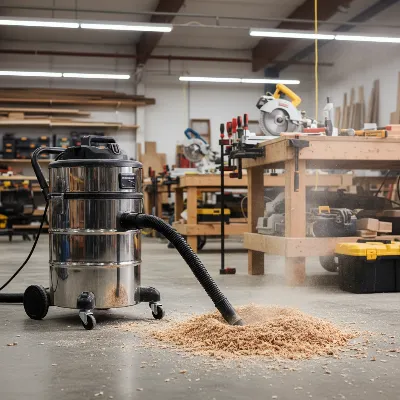 A powerful stainless steel shop vacuum operating in a busy woodworking workshop, sucking up sawdust with visible efficiency, surrounded by tools and timber.
Top Stainless Steel Shop Vacuums on the Market 2026
The market for stainless steel shop vacuums is competitive, with several brands offering durable and powerful options. Here’s a look at some of the highly-rated models in 2026:
| Model/Brand | Peak HP | Capacity (Gallons) | Key Features | Pros | Cons |
|---|---|---|---|---|---|
| RIDGID 16-Gallon Stainless Steel WD1956 | 6.5 | 16 | Durable stainless steel drum, large storage bag, good for wet pickup. | Excellent durability, ample storage, strong suction. | Can be heavy, some reports of rust if water is left in tank long-term. |
| DEWALT 12-Gallon STEALTHSONIC | 6.5+ | 12 | Revolutionary noise reduction, powerful suction, professional build. | Extremely quiet operation, strong performance, reliable. | May not have as large a capacity as some heavy-duty models. |
| Vacmaster Professional VDK811PW 8-Gallon | 5.5 | 8 | Durable stainless steel tank, dual-flex hose, blower port, easy drain. | Professional-grade build, versatile hose system, good mobility. | Smaller capacity limits use for very large projects. |
| Stanley 8-Gallon Stainless Steel | 4.0-5.0 | 8 | Compact design, multi-functional tools, rugged construction. | Good value, versatile for home and garage, robust tank. | Shorter power cord, smaller capacity. |
| Shop-Vac 10-Gallon Stainless Steel | 6.5 | 10 | Large capacity, powerful motor, long 20ft power cord, dual filtration. | Trusted brand, substantial capacity for extended use, long reach. | Can be loud, some attachment designs could be improved. |
| Craftsman 16-Gallon Wet/Dry Vac CMXEVBE17595 | 6.5 | 16 | Most powerful (tested), excellent tool holders, good cord/hose management. | Best overall performance, handles heavy debris, good water pickup. | Predominantly plastic tank, not stainless steel for the main body. |
Note: The Craftsman 16-Gallon, while a top performer, is often a plastic model. It’s included here as a benchmark for comparison in overall performance within the heavy-duty segment.
The RIDGID 16-Gallon Stainless Steel Wet/Dry Vac (WD1956) is a perennial favorite for its rugged construction and large capacity. Users praise its ability to handle demanding tasks, though care must be taken to empty and dry the tank to prevent potential surface rust, which is not covered under warranty.
For those prioritizing a quieter work environment without sacrificing power, the DEWALT 12-Gallon STEALTHSONIC Wet/Dry Vac is a standout. It combines significant suction power with innovative noise reduction, making it an excellent choice for occupied spaces or prolonged use.
The Vacmaster Professional VDK811PW 8-Gallon offers a professional-grade stainless steel tank with a powerful motor and versatile features, including a dual-flex hose system and a blower port, making it highly adaptable for various cleanup needs.
The Stanley 8-Gallon Stainless Steel Shop Vac provides a compact yet robust solution, praised for its multi-purpose cleaning capabilities and solid stainless steel construction at a competitive price point, ideal for mid-sized tasks around the house or garage.
Shop-Vac also offers a range of stainless steel models, from smaller 4-gallon units to larger 16-gallon contractor series, known for their durable tanks and powerful motors, often with long power cords and efficient filtration systems.
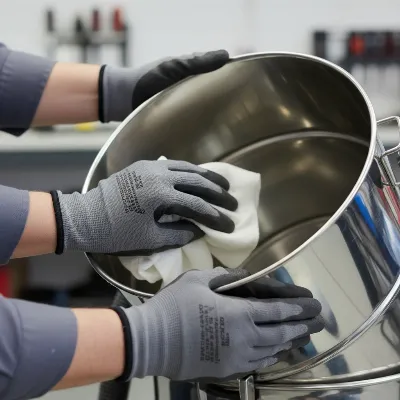 A close-up of a person carefully wiping down the interior of a stainless steel shop vacuum tank with a cloth after use, showing good maintenance practice.
Maintaining Your Stainless Steel Shop Vacuum for Longevity
To ensure your stainless steel shop vacuum performs optimally and remains rust-free for its entire lifespan, proper usage and diligent maintenance are key.
Proper Cleaning Techniques
After each use, especially when dealing with wet materials or fine dust, it’s essential to clean the tank. First, empty all debris. For dry messes, a simple wipe-down is usually sufficient. For wet messes, rinse the interior of the stainless steel tank with clean water. Avoid using abrasive scrubbers or harsh chemical cleaners that could scratch the surface or damage the steel’s passive layer, potentially making it more susceptible to corrosion. A mild soap solution and a soft cloth are generally all you need.
Preventing Rust
Even stainless steel can show signs of rust if water is left to sit in the tank for extended periods. The most critical step to prevent rust is to thoroughly dry the interior of the tank after every wet application. You can wipe it down with a clean, dry cloth or leave the tank open in a well-ventilated area to air dry completely. Storing the vacuum in a dry environment will also help prevent moisture build-up. Regular inspection for any signs of surface rust and prompt removal with a stainless steel cleaner or a baking soda paste can address issues before they become severe.
Filter Maintenance
The filter is crucial for suction performance and air quality. Dry filters should be regularly shaken or brushed clean of accumulated dust. If your filter is washable, clean it according to the manufacturer’s instructions and allow it to air dry completely before reinstalling. Clogged filters significantly reduce suction power and can strain the motor. Replace filters when they are visibly worn or damaged, or if suction power remains low after cleaning.
Storage Tips
When not in use, store your shop vacuum in a clean, dry location. Disconnect the hose and accessories and store them neatly, preferably using the onboard storage options if your model has them. Coiling the power cord properly prevents tangles and damage. Keeping the unit covered can also protect it from dust accumulation between uses.
Conclusion
A high-quality stainless steel shop vacuum is an indispensable investment for anyone facing demanding cleaning challenges. Its superior durability, powerful performance, and ease of maintenance set it apart from conventional plastic models, making it ideal for workshops, construction sites, and garages. By considering factors like power, capacity, filtration, and specific features, you can select a model that perfectly aligns with your needs. Remember, while stainless steel offers excellent rust resistance, diligent care, especially drying the tank after wet use, ensures its longevity. Equip yourself with one of these robust machines, and you’ll tackle any mess with confidence and efficiency. What demanding cleanup task will your new stainless steel shop vacuum conquer first?
Frequently Asked Questions
Are all stainless steel shop vacuums truly rust-proof?
While high-quality stainless steel is highly resistant to rust due to its chromium content, it is not entirely rust-proof. Leaving water or corrosive liquids in the tank for extended periods or using abrasive cleaners can lead to surface rust. Proper maintenance, including thoroughly drying the tank after wet use, is crucial to prevent corrosion.
How often should I clean my shop vac filter?
The frequency of filter cleaning depends on the type of debris you’re vacuuming and how often you use the shop vac. For heavy use or fine dust, you might need to clean the filter after every major job. For lighter use, checking and cleaning the filter every few uses is a good practice to maintain optimal suction and air quality.
Can I use a shop vac to pick up hazardous materials?
Generally, a standard shop vac is not designed for hazardous materials like asbestos, lead paint dust, or highly corrosive liquids. For such substances, you need specialized industrial vacuums equipped with certified HEPA filtration and specific safety features to prevent exposure and contamination. Always consult the manufacturer’s guidelines and safety regulations.
What does “peak HP” mean on a shop vacuum?
“Peak HP” (Peak Horsepower) refers to the maximum horsepower a motor can produce for a very short duration, typically at startup. While it’s a common marketing term, continuous or “running” HP is a more accurate indicator of a vacuum’s sustained power during operation. For practical purposes, looking at CFM (cubic feet per minute) often gives a better sense of real-world suction performance.
