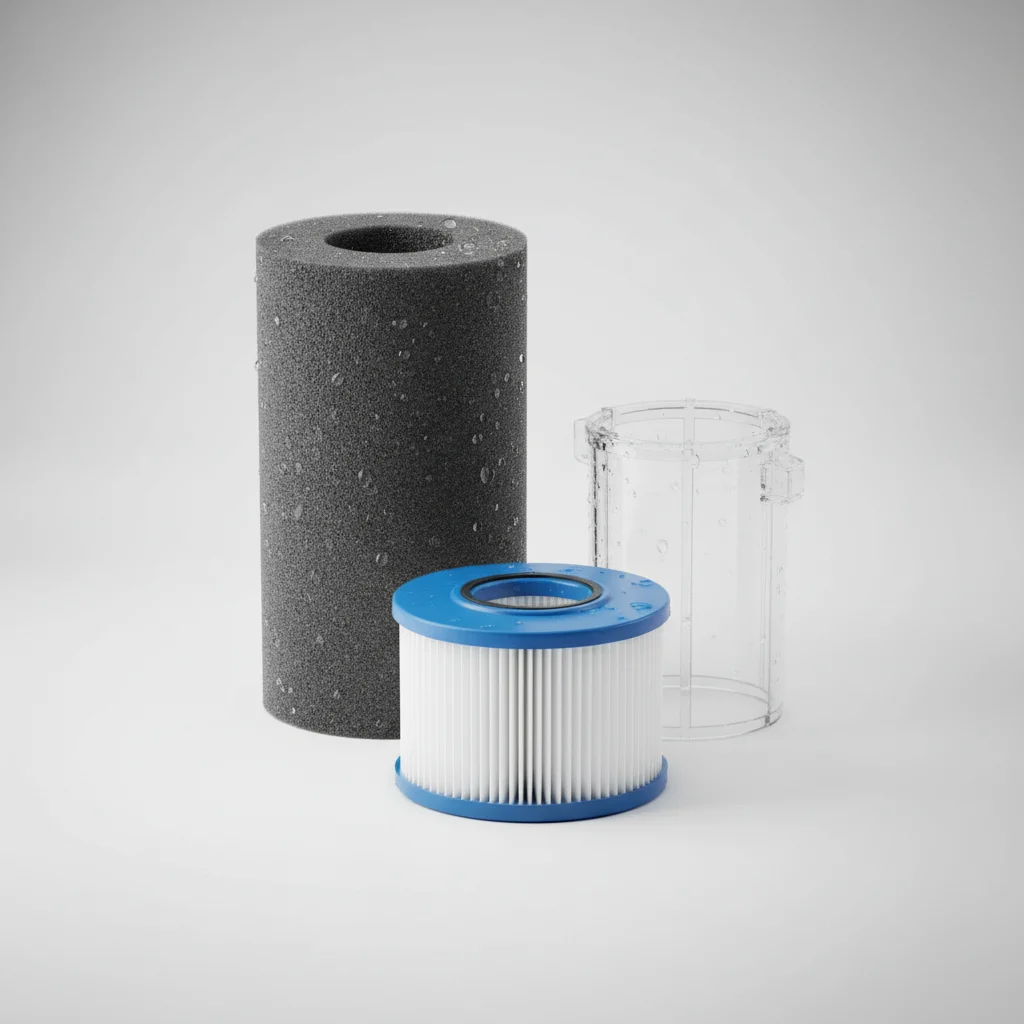
When using your shop vacuum for wet messes, you absolutely need a special wet filter to protect the motor and ensure efficient cleaning. A standard dry filter will quickly become saturated, lose effectiveness, and potentially damage the vacuum’s internal components. Most manufacturers recommend a foam sleeve or a cartridge filter specifically designed for wet pickup, which allows water to pass through while trapping larger debris.
Understanding Wet Filters vs. Dry Filters
The fundamental difference between wet and dry filters lies in their material and design. Dry filters, typically made of pleated paper or cloth, are engineered to trap fine dust particles. When exposed to water, these materials can break down, clog instantly, and restrict airflow, leading to motor strain and reduced suction. Wet filters, on the other hand, are usually made from a hydrophobic foam or a synthetic material that resists water absorption. This design allows them to effectively filter liquids and larger debris without becoming waterlogged. For compare top shop vacuum on this site.
Using the correct filter is crucial for both the longevity of your shop vacuum and the quality of your cleaning. A compromised filter can lead to dust and debris bypassing the filtration system and entering the motor, causing premature wear and potential failure. Always consult your shop vacuum’s manual to identify the specific type of wet filter recommended for your model.
Types of Wet Filters Available
There are primarily two types of wet filters commonly used with shop vacuums: foam sleeves and specialized wet-use cartridge filters. Foam sleeves are often cylindrical and slide over the filter cage, providing a basic level of filtration for liquids. They are generally washable and reusable, making them a cost-effective option for frequent wet pickups.
Specialized wet-use cartridge filters are designed to replace your dry cartridge filter when transitioning to wet applications. These filters are constructed with materials that repel water while still capturing larger particles. Some advanced models feature a hydrophobic coating or a unique pleat design to maximize surface area for filtration without impeding liquid flow. Always ensure the filter is securely installed to prevent any bypass.
When to Use a Wet Filter
|
Our Picks for the Best Shop Vacuum in 2026
As an Amazon Associate I earn from qualifying purchases.
|
||
| Num | Product | Action |
|---|---|---|
| 1 | Vacmaster VF408 4 Gallon Wet/Dry Vacuum Cleaner with 2-Stage Motor |

|
| 2 | Shop-Vac 9522205 5 Gallon 5.5 Peak HP Hangup Wet/Dry Vacuum, 1.25 Inch Diameter x 18 Foot Hose, 6 Foot Cord, Wall Mount Included, Ideal for Garage, Workshop & Home |
|
| 3 | Vacmaster Wet/Dry Vacuum with Detachable Blower 6 Gallon 5 Peak HP-VBVB611PF 1101 |
|
| 4 | Kärcher Shop Vacuum WD 4, 5.3 Gal, 3.8 Peak HP, 33 ft Reach, Wet Dry Vacuum Cleaner, Heavy Duty, Blower Function, Crevice Tool, Floor Nozzle, Great for DIY Projects and Workshops |
|
| 5 | Armor All VO408S 0901 4 Gallon 3 Peak HP Stainless Steel Wet/Dry Vacuum, Orange |
|
| 6 | Shop-Vac 5989305 Wet/Dry Vacuum, 5 Gallon, 4.5 Peak HP Stainless Steel Vacuum, 1.25 Inch Diameter x 7 Foot Hose, 6 Ft Cord Length, Ideal for Jobsite, Garage, Car & Workshop |
|
| 7 | DEWALT DXV16PA 16 Gallon Poly Wet/Dry Vac/Acc, 6.5HP Shop Vacuum Wet/Dry for Jobsite/Workshop, Yellow |
|
| 8 | Stanley - SL18129 Wet/Dry Vacuum, 4 Gallon, 4 Horsepower, Stainless Steel Tank Silver+yellow |
|
| 9 | Armor All VBV809 0901 8-Gallon 4.5 Peak HP Wet/Dry Vacuum with Detachable Blower, Orange |
|
| 10 | Shop-Vac 5985005 6 Gallon Wet/Dry Vacuum, 3.5 Peak HP, 1.25 Inch Diameter x 7 Foot Hose, 6 Foot Cord, Ideal for Home, Garage, and Workshop Cleaning |
|
You should always install a wet filter whenever you are vacuuming liquids, semi-liquids, or damp debris. This includes tasks such as cleaning up spills, extracting water from flooded areas, vacuuming wet sawdust, or clearing clogged drains. Even if the material seems only slightly damp, it’s safer to use a wet filter to prevent damage to your dry filter and motor. Failing to switch filters can lead to a costly repair or replacement of your vacuum.
Maintaining and Cleaning Your Wet Filter
Proper maintenance of your wet filter is essential for optimal performance and hygiene. After each wet use, remove the filter and rinse it thoroughly with clean water to remove any trapped debris. Allow the filter to air dry completely before storing it or reinstalling it in your shop vacuum. Never store a damp filter, as this can lead to mold and mildew growth, which can produce unpleasant odors and potentially damage the filter material.
- Always remove the wet filter and clean it after each use.
- Rinse thoroughly with water until all debris is gone.
- Allow the filter to air dry completely before storage.
- Inspect for tears or damage before each use.
- Replace the filter if it shows signs of wear or degradation.
The Importance of Proper Filter Installation
Correct installation of your wet filter is just as important as choosing the right one. Ensure the filter is seated properly on the filter cage and that any retaining nuts or caps are securely fastened. A poorly installed filter can allow debris to bypass the filtration system, leading to motor contamination. Refer to your shop vacuum’s user manual for specific installation instructions for your model. Some vacuums have a float ball mechanism that shuts off suction when the tank is full, and a properly installed filter is crucial for this safety feature to function correctly.
