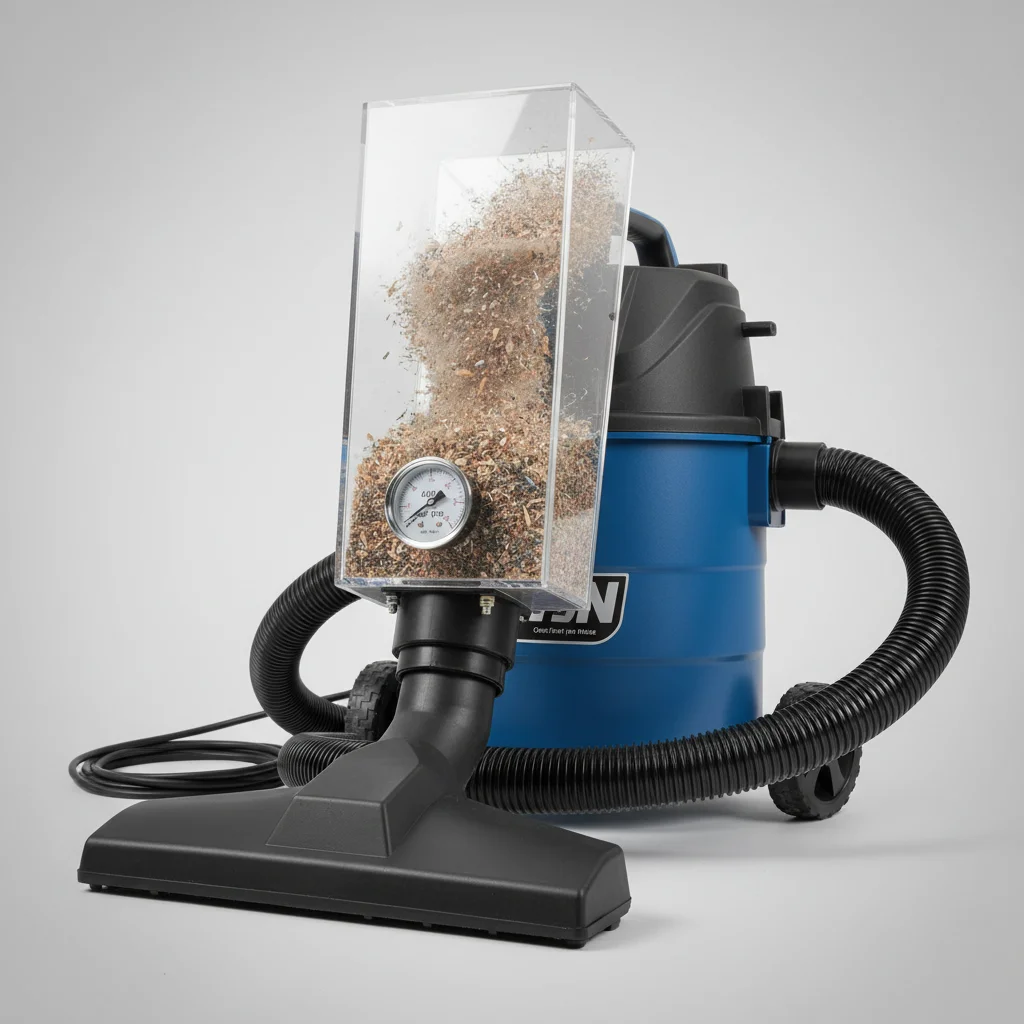
Determining the ideal shop vacuum suction power, measured in Cubic Feet per Minute (CFM), depends heavily on the specific tasks you’ll be performing. For general workshop cleanup and light DIY projects, a shop vacuum with 100-150 CFM is typically sufficient. However, for heavy-duty applications like connecting to woodworking machinery or tackling large volumes of wet debris, you’ll want a unit offering 180 CFM or more to ensure effective dust and debris removal.
Understanding CFM and Its Importance
CFM, or Cubic Feet per Minute, quantifies the volume of air a shop vacuum can move in one minute. This metric is crucial because it directly correlates with the vacuum’s ability to pick up and transport debris. A higher CFM rating means the vacuum can move more air, which translates to stronger suction and more efficient cleaning, especially when dealing with larger particles or when using longer hoses that can reduce airflow.
It’s important to distinguish CFM from horsepower (HP). While HP relates to the motor’s raw power, CFM is a more direct indicator of actual cleaning performance. A vacuum with high HP but inefficient design might have lower CFM than a well-engineered unit with less HP.
CFM Requirements for Common Tasks
The optimal CFM for your shop vacuum varies significantly based on its intended use. For small spills, car interiors, or light dust collection from handheld power tools, a unit in the 80-120 CFM range will likely suffice. These smaller units are often more portable and easier to store.
For more demanding tasks such as connecting to a table saw, miter saw, or planer, you’ll need a shop vacuum with a higher CFM, typically 150-200 CFM. This ensures that fine dust and wood chips are effectively captured at the source, preventing them from becoming airborne or accumulating on your workspace. For professional contractors or those with extensive workshops, even higher CFM models (200+ CFM) are beneficial for maximum efficiency.
Factors Affecting Effective Suction
|
Our Picks for the Best Shop Vacuum in 2026
As an Amazon Associate I earn from qualifying purchases.
|
||
| Num | Product | Action |
|---|---|---|
| 1 | Stanley - SL18129 Wet/Dry Vacuum, 4 Gallon, 4 Horsepower, Stainless Steel Tank Silver+yellow |

|
| 2 | Shop-Vac 9522205 5 Gallon 5.5 Peak HP Hangup Wet/Dry Vacuum, 1.25 Inch Diameter x 18 Foot Hose, 6 Foot Cord, Wall Mount Included, Ideal for Garage, Workshop & Home |
|
| 3 | Armor All VO408S 0901 4 Gallon 3 Peak HP Stainless Steel Wet/Dry Vacuum, Orange |
|
| 4 | DEWALT DXV16PA 16 Gallon Poly Wet/Dry Vac/Acc, 6.5HP Shop Vacuum Wet/Dry for Jobsite/Workshop, Yellow |
|
| 5 | Shop-Vac 5985005 6 Gallon Wet/Dry Vacuum, 3.5 Peak HP, 1.25 Inch Diameter x 7 Foot Hose, 6 Foot Cord, Ideal for Home, Garage, and Workshop Cleaning |
|
| 6 | Armor All VBV809 0901 8-Gallon 4.5 Peak HP Wet/Dry Vacuum with Detachable Blower, Orange |
|
| 7 | Vacmaster Wet/Dry Vacuum with Detachable Blower 6 Gallon 5 Peak HP-VBVB611PF 1101 |
|
| 8 | Kärcher Shop Vacuum WD 4, 5.3 Gal, 3.8 Peak HP, 33 ft Reach, Wet Dry Vacuum Cleaner, Heavy Duty, Blower Function, Crevice Tool, Floor Nozzle, Great for DIY Projects and Workshops |
|
| 9 | Vacmaster VF408 4 Gallon Wet/Dry Vacuum Cleaner with 2-Stage Motor |
|
| 10 | Shop-Vac 5989305 Wet/Dry Vacuum, 5 Gallon, 4.5 Peak HP Stainless Steel Vacuum, 1.25 Inch Diameter x 7 Foot Hose, 6 Ft Cord Length, Ideal for Jobsite, Garage, Car & Workshop |
|
While CFM is a primary indicator, several other factors can influence the effective suction power you experience. The diameter and length of your hose play a significant role; narrower and longer hoses can restrict airflow and reduce suction. A clogged filter is another common culprit for diminished performance, as it impedes air movement through the vacuum.
Additionally, the type of debris you’re cleaning affects perceived suction. Fine dust requires different airflow dynamics than large, bulky items or liquids. Ensuring your shop vacuum’s attachments are properly sealed and free of leaks is also critical for maintaining optimal suction.
Choosing the Right CFM for Your Needs
When selecting a shop vacuum, consider your most frequent and demanding cleaning tasks. If you primarily need it for occasional garage cleanup and minor spills, a lower CFM model will be more than adequate and likely more budget-friendly. However, if you plan to use it extensively with power tools or for significant wet/dry cleanup, investing in a higher CFM unit will save you time and frustration in the long run.
Here are key considerations for choosing:
- Light Duty (80-120 CFM): Car detailing, small spills, general household use.
- Medium Duty (120-180 CFM): Workshop dust collection for handheld tools, medium-sized debris.
- Heavy Duty (180+ CFM): Connecting to large woodworking machinery, significant wet cleanup, professional use.
Always check the manufacturer’s specifications for both CFM and sealed suction (water lift) to get a complete picture of the vacuum’s capabilities.
Maintaining Optimal Suction Power
To ensure your shop vacuum consistently delivers its rated suction power, regular maintenance is essential. The most critical step is frequently cleaning or replacing your filter. A dirty filter can drastically reduce airflow and put a strain on the motor. For wet applications, ensure the foam filter is clean and properly installed.
Regularly inspect your hose and attachments for blockages or damage. Even a small crack in the hose can lead to a significant loss of suction. Empty the collection tank before it becomes too full, as a full tank can also impede airflow. By following these simple maintenance tips, you can prolong the life of your shop vacuum and maintain its peak performance.
