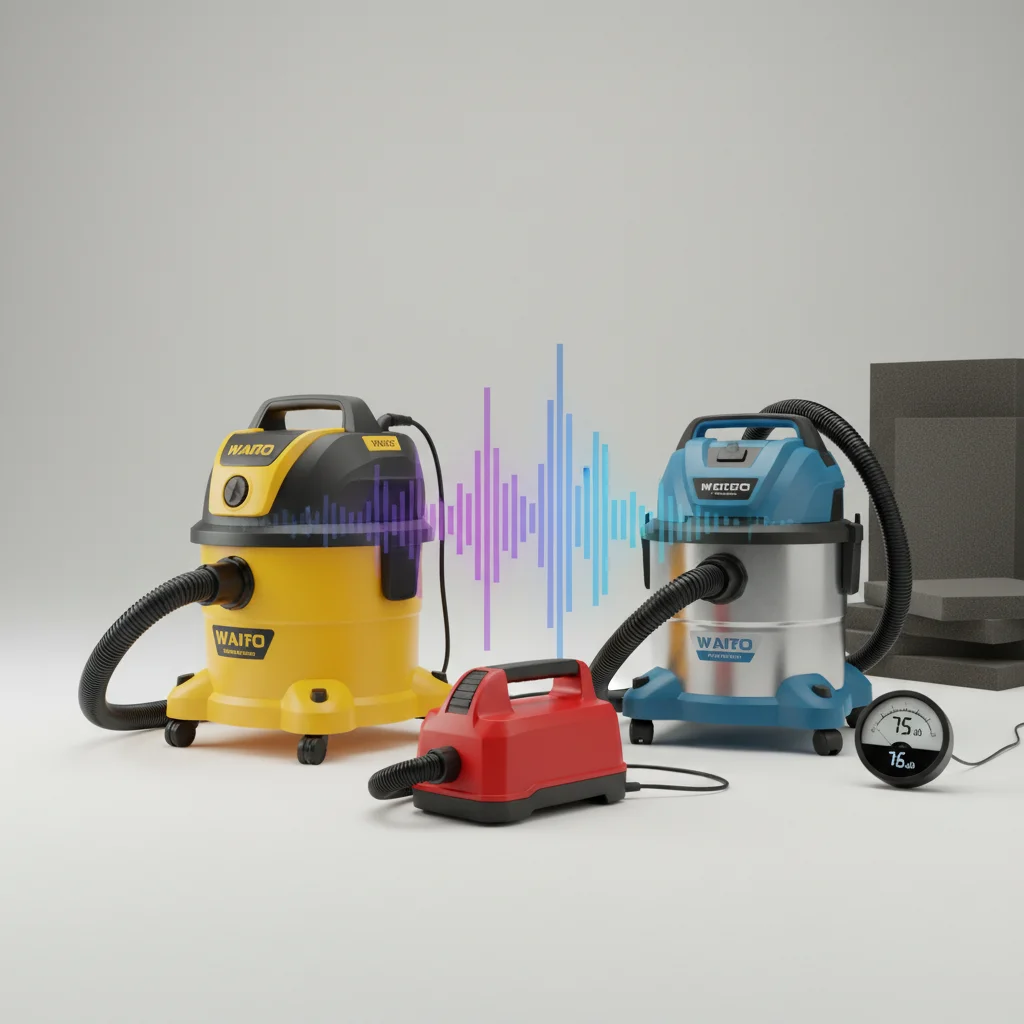
Understanding acceptable shop vacuum noise levels is crucial for maintaining a comfortable work environment, especially in residential settings. Generally, a shop vacuum operating between 65 to 75 decibels (dB) is considered acceptable for most home users, striking a balance between powerful suction and tolerable noise. Anything above 80 dB can become irritating and potentially harmful with prolonged exposure, while models below 60 dB are exceptionally quiet but may compromise on raw power.
Understanding Decibel Ratings and Their Impact
Decibels measure sound intensity, and the scale is logarithmic, meaning a small increase in dB represents a significant increase in perceived loudness. For instance, a 70 dB shop vacuum is twice as loud as a 60 dB model. This is why even a 5 dB difference can be noticeable and impact your comfort during extended use. When evaluating shop vacuums, pay close attention to the manufacturer’s stated decibel rating, as this is a key indicator of its operational noise.
Prolonged exposure to high decibel levels can lead to hearing fatigue or even permanent damage. For professional users or those who operate their shop vacuum for several hours daily, investing in a quieter model or using hearing protection is highly recommended. Even for occasional home use, a less noisy unit contributes to a more pleasant and less disruptive cleaning experience.
Factors Influencing Shop Vacuum Noise
Several design and operational factors contribute to a shop vacuum’s noise level. The motor’s power and design are primary contributors; more powerful motors often generate more noise, though advanced engineering can mitigate this. The fan and impeller design also play a significant role, as they are responsible for moving air and creating suction. Poorly designed or unbalanced impellers can create excessive vibration and noise.
The construction of the vacuum’s housing, the quality of its seals, and the design of its exhaust port all impact how much sound escapes. Thicker plastic or metal housings, along with well-sealed components, can help dampen motor noise. Additionally, the type of filter used and whether the vacuum is equipped with a muffler can also influence its overall sound output. Regular maintenance, such as cleaning filters and ensuring no blockages, can also prevent the vacuum from working harder and thus louder.
Tips for Reducing Shop Vacuum Noise
- Use a Muffler: Many shop vacuums offer optional mufflers that can significantly reduce exhaust noise.
- Maintain Filters: Clogged filters make the motor work harder, increasing noise. Clean or replace them regularly.
- Check for Blockages: Obstructions in the hose or attachments can restrict airflow, leading to increased motor strain and noise.
- Isolate the Vacuum: If possible, place the shop vacuum in a separate room or enclosure to muffle its sound.
- Wear Hearing Protection: For louder models, always use earplugs or earmuffs to protect your hearing.
Choosing a Quiet Shop Vacuum for Home Use
When selecting a shop vacuum for home use, prioritize models that explicitly advertise low decibel ratings or
