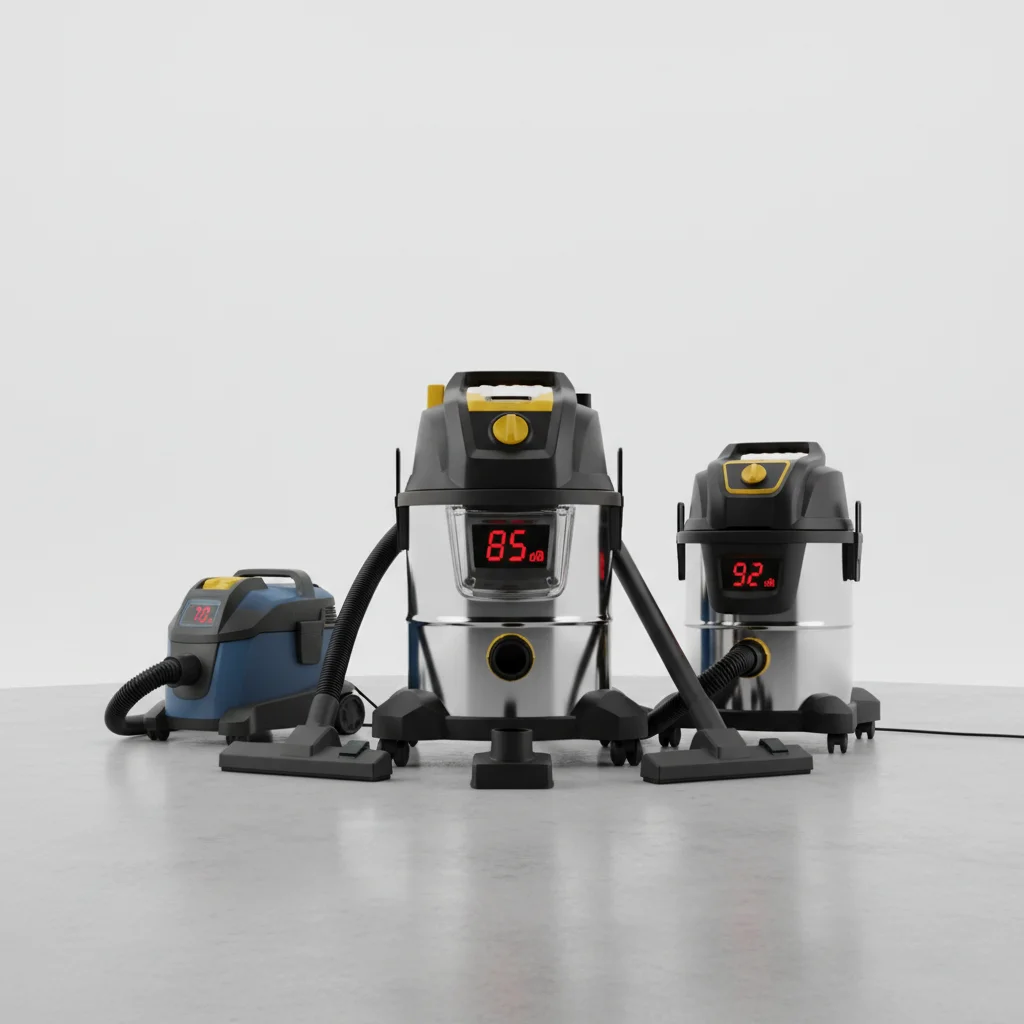
Understanding shop vacuum noise levels is crucial for protecting your hearing and maintaining a comfortable work environment. Generally, a shop vacuum operating above 85 decibels (dB) for extended periods is considered too loud and can lead to hearing damage. Most residential shop vacuums range from 70 dB to 90 dB, while some industrial models can exceed 100 dB. Knowing these thresholds helps you make informed decisions about hearing protection and model selection.
Understanding Decibel Ratings and Hearing Safety
Decibels measure the intensity of sound. The higher the decibel number, the louder the sound. For context, a normal conversation is around 60 dB, a busy street is about 70-80 dB, and a motorcycle is around 100 dB. Prolonged exposure to sounds above 85 dB can cause permanent hearing loss. This is why it’s essential to consider the noise output of a shop vacuum, especially if you plan on using it for more than a few minutes at a time. Many manufacturers now provide dB ratings, which should be a key factor in your purchasing decision. For complete shop vacuum library on this site.
OSHA (Occupational Safety and Health Administration) guidelines recommend hearing protection for noise exposures at or above 85 dBA averaged over 8 hours. While most home users won’t be running a shop vacuum for 8 hours straight, even shorter, intense bursts of noise can contribute to cumulative hearing damage. Always err on the side of caution and use appropriate hearing protection, such as earplugs or earmuffs, when operating loud machinery.
Factors Influencing Shop Vacuum Noise
Several design and operational factors contribute to a shop vacuum’s overall noise level. The motor’s power and design are primary contributors; higher horsepower often, but not always, correlates with increased noise. The fan’s design, which creates the suction, also plays a significant role. Larger, less efficient fans can generate more turbulence and thus more noise. The construction of the housing, including the thickness of the plastic or metal and any sound-dampening materials, can significantly impact how much motor and fan noise escapes. Additionally, the size and design of the exhaust port can influence noise output, with some models featuring diffusers to reduce sound.
The type of filter used can also subtly affect noise. A clogged or incorrect filter can restrict airflow, causing the motor to work harder and potentially increase noise. The diameter and length of the hose, as well as the attachments being used, can also influence the sound. A narrower hose or a small attachment can create more air turbulence and a higher-pitched whine. Regularly cleaning or replacing filters and ensuring hoses are clear can help maintain optimal performance and potentially reduce noise.
Choosing a Quieter Shop Vacuum
If noise is a significant concern, prioritize models specifically advertised as

This was super helpful! I’m in the market for a new shop vac, and I was really torn between a couple of models. Knowing that some industrial models can hit over 100 dB made me realize I definitely need to check the specs more closely. I’m mostly doing DIY projects, so I’m aiming for something in the 70-80 dB range to keep my ears happy. Thanks for breaking it down so clearly.
I’ve been using my old shop vac for years, and honestly, I never really thought about the noise until I read about the 85 dB threshold. Mine definitely pushes that limit, especially when I’m cleaning up after a big woodworking project. I’ve started wearing ear protection more consistently now, which has made a huge difference. It’s a good reminder to prioritize hearing safety.
I appreciate the info on decibel levels. My new shop vac claims to be 75 dB, but it still feels pretty loud after about 20 minutes of use. I mostly use it for quick garage cleanups, so it’s not a huge deal, but I was hoping for something a bit quieter. Maybe I just need to invest in better earplugs, or perhaps my expectations were too high for a residential model.