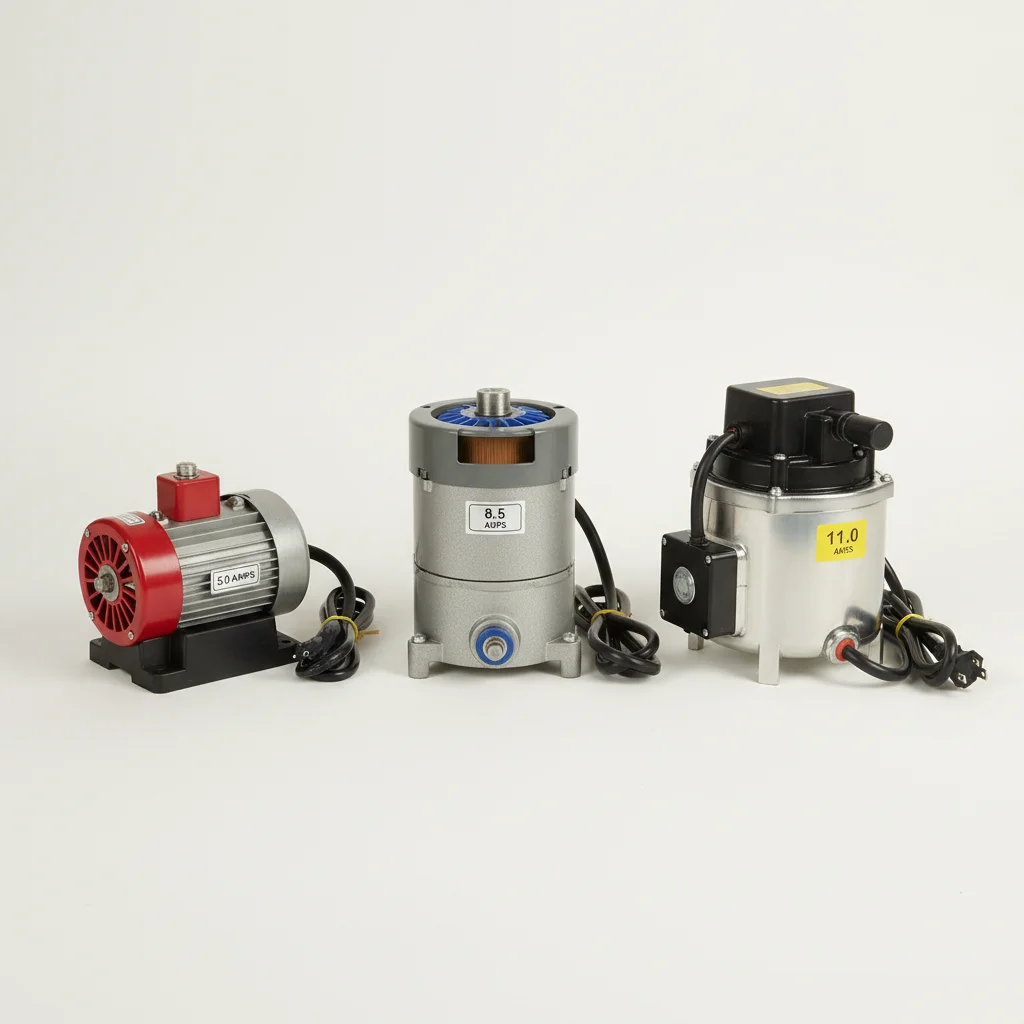
For most home and light professional use, a shop vacuum motor with 8 to 12 amps is sufficient to handle common debris and liquids. This range provides a good balance of suction power for tasks like cleaning workshops, garages, and even car interiors without overloading typical household circuits. Higher amperage motors, often found in industrial-grade units, are designed for more demanding, continuous use and larger volumes of material.
Understanding Shop Vacuum Amperage
Amperage in a shop vacuum motor directly relates to the electrical current it draws and, consequently, its potential power output. While not a direct measure of suction (CFM and sealed suction are better indicators), a higher amperage generally suggests a more robust motor capable of sustaining performance under heavier loads. For general cleanup, a lower amperage unit (6-8 amps) can handle sawdust, small spills, and light debris effectively. However, for tougher jobs like vacuuming wet drywall dust or large wood chips, moving into the 10-14 amp range will provide the necessary grunt.
Matching Amperage to Your Tasks
The ideal amperage for your shop vacuum largely depends on the types of tasks you’ll be performing. If your primary use is occasional car cleaning or small workshop tidying, an 8-amp model offers excellent efficiency. For DIY enthusiasts tackling home renovations, a 10-12 amp shop vacuum provides the versatility to handle both dry debris and significant wet spills. Professional contractors or those with large woodworking shops might consider 14-amp or higher models for continuous, heavy-duty operation and the ability to connect to larger tools for dust extraction.
- Light Duty (6-8 Amps): Ideal for car interiors, small spills, and light workshop dust.
- Medium Duty (9-12 Amps): Suitable for general garage cleanup, home renovation projects, and moderate wet/dry tasks.
- Heavy Duty (13-16+ Amps): Best for professional job sites, large woodworking operations, and continuous, demanding use.
Amperage vs. Horsepower and CFM
|
Our Picks for the Best Shop Vacuum in 2026
As an Amazon Associate I earn from qualifying purchases.
|
||
| Num | Product | Action |
|---|---|---|
| 1 | Armor All VO408S 0901 4 Gallon 3 Peak HP Stainless Steel Wet/Dry Vacuum, Orange |

|
| 2 | Shop-Vac 5985005 6 Gallon Wet/Dry Vacuum, 3.5 Peak HP, 1.25 Inch Diameter x 7 Foot Hose, 6 Foot Cord, Ideal for Home, Garage, and Workshop Cleaning |
|
| 3 | Shop-Vac 5989305 Wet/Dry Vacuum, 5 Gallon, 4.5 Peak HP Stainless Steel Vacuum, 1.25 Inch Diameter x 7 Foot Hose, 6 Ft Cord Length, Ideal for Jobsite, Garage, Car & Workshop |
|
| 4 | Stanley - SL18129 Wet/Dry Vacuum, 4 Gallon, 4 Horsepower, Stainless Steel Tank Silver+yellow |
|
| 5 | Vacmaster Wet/Dry Vacuum with Detachable Blower 6 Gallon 5 Peak HP-VBVB611PF 1101 |
|
| 6 | Vacmaster VF408 4 Gallon Wet/Dry Vacuum Cleaner with 2-Stage Motor |
|
| 7 | Shop-Vac 9522205 5 Gallon 5.5 Peak HP Hangup Wet/Dry Vacuum, 1.25 Inch Diameter x 18 Foot Hose, 6 Foot Cord, Wall Mount Included, Ideal for Garage, Workshop & Home |
|
| 8 | Armor All VBV809 0901 8-Gallon 4.5 Peak HP Wet/Dry Vacuum with Detachable Blower, Orange |
|
| 9 | Kärcher Shop Vacuum WD 4, 5.3 Gal, 3.8 Peak HP, 33 ft Reach, Wet Dry Vacuum Cleaner, Heavy Duty, Blower Function, Crevice Tool, Floor Nozzle, Great for DIY Projects and Workshops |
|
| 10 | DEWALT DXV16PA 16 Gallon Poly Wet/Dry Vac/Acc, 6.5HP Shop Vacuum Wet/Dry for Jobsite/Workshop, Yellow |
|
While amperage is an important specification, it’s crucial to understand its relationship with other performance metrics like horsepower (HP) and cubic feet per minute (CFM). Horsepower is often a peak rating and can be misleading, as it doesn’t always reflect sustained power. CFM, which measures airflow, and sealed suction (inches of water lift), which measures pulling power, are more direct indicators of a shop vacuum’s effectiveness. A well-designed motor will efficiently convert its amperage into strong CFM and suction, ensuring effective cleaning. Always consider these metrics together when evaluating a shop vacuum’s overall performance.
Energy Consumption and Circuit Breakers
Higher amperage shop vacuum motors draw more electricity, which can impact your energy bill and potentially trip circuit breakers if your electrical system isn’t robust enough. A standard 15-amp household circuit can typically handle a shop vacuum up to 12-13 amps without issues, assuming no other high-draw appliances are on the same circuit. For units exceeding this, especially those in the 14-16 amp range, it’s advisable to use a dedicated 20-amp circuit to prevent overloads. Always check your shop vacuum’s specifications and your home’s electrical capacity before making a purchase, particularly for powerful models.
Maintaining Your Shop Vacuum Motor
Proper maintenance is key to ensuring your shop vacuum motor performs optimally and lasts for years. Regularly cleaning or replacing filters is paramount, as a clogged filter forces the motor to work harder, increasing its electrical draw and heat, which can lead to premature wear. Inspect hoses and attachments for blockages that restrict airflow, putting strain on the motor. For wet/dry models, ensure the tank is emptied and cleaned after wet use to prevent corrosion and maintain motor efficiency. Following these simple steps will help you get the most out of your shop vacuum’s motor.
