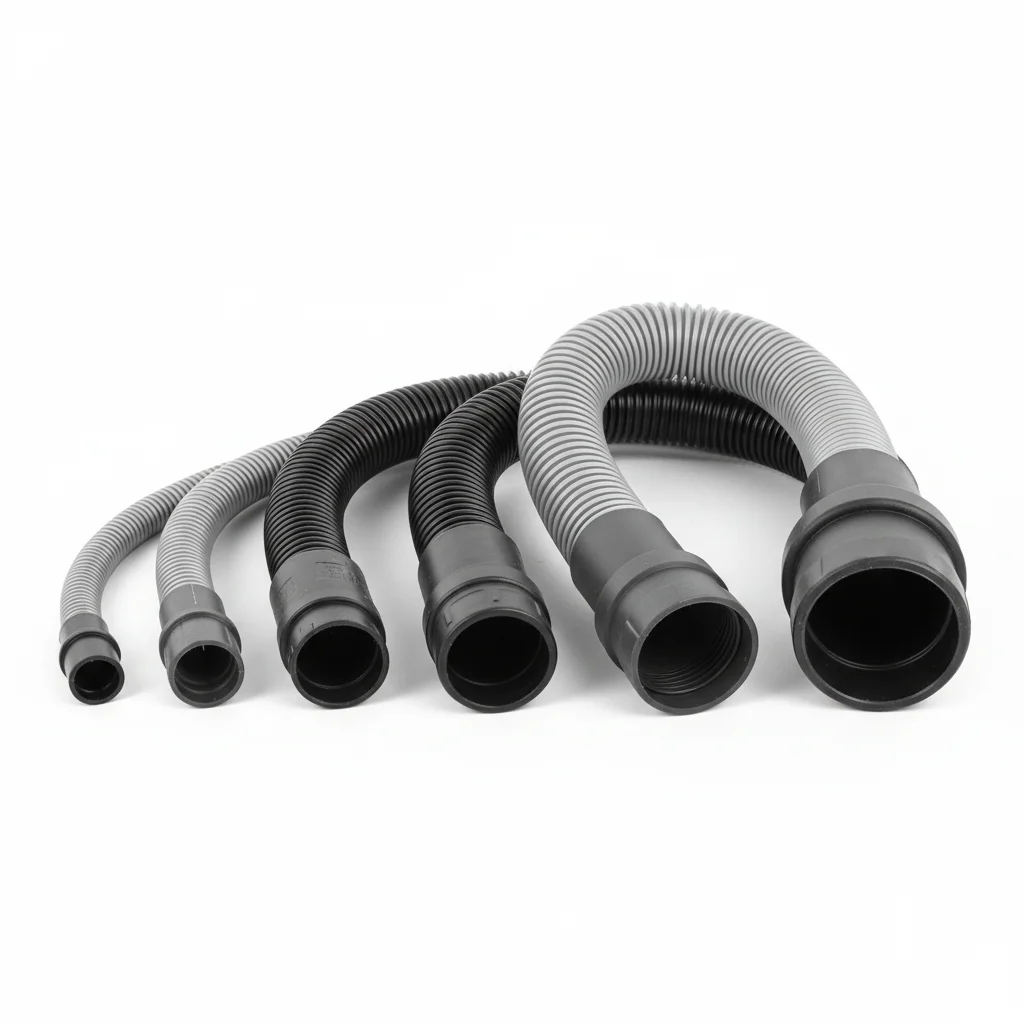
Choosing the correct shop vacuum hose size is crucial for optimal performance, and generally, a 2.5-inch diameter hose offers the best balance for most workshop and garage tasks. While smaller hoses (1.25-inch or 1.5-inch) are suitable for fine dust and detail work, and larger hoses (up to 4-inch) excel at collecting bulky debris, the 2.5-inch option provides sufficient airflow for common applications without sacrificing portability or creating excessive suction loss.
Understanding Shop Vacuum Hose Diameters
Shop vacuum hoses come in several standard diameters, each designed for specific applications. The most common sizes are 1.25-inch, 1.5-inch, and 2.5-inch. Smaller diameters, like 1.25-inch, are often found on compact or portable shop vacuums and are ideal for light-duty cleaning, car interiors, and connecting to small power tools for dust extraction. They offer higher air velocity but can clog more easily with larger debris. For see our shop vacuum recommendations on this site.
The 1.5-inch hose provides a slight upgrade in airflow and is a good all-around choice for general workshop cleanup and some power tool connections. However, the 2.5-inch diameter is widely considered the workhorse for most home and professional shops. It strikes an excellent balance between airflow, debris capacity, and flexibility, making it suitable for everything from sawdust collection to vacuuming up construction debris.
Factors to Consider When Selecting Hose Size
When deciding on the best shop vacuum hose size, several factors should influence your choice. First, consider the type of debris you’ll be collecting. For fine dust, wood chips, and small particles, a 1.25-inch or 1.5-inch hose might suffice. However, for larger wood scraps, drywall chunks, or wet leaves, a 2.5-inch or even larger hose will prevent clogs and maintain consistent suction. Second, think about the tools you’ll be connecting to. Many power tools have dust ports designed for specific hose diameters, often 1.25-inch or 2.5-inch, requiring adapters if your hose doesn’t match.
Third, the length of the hose also plays a role. Longer hoses, regardless of diameter, will reduce suction power. Therefore, if you need a very long hose, opting for a larger diameter can help mitigate some of that suction loss. Finally, consider the portability and storage. Larger diameter hoses are generally less flexible and take up more space, which might be a concern for smaller workshops or mobile setups.
Benefits of a 2.5-Inch Shop Vacuum Hose
|
Our Picks for the Best Shop Vacuum in 2026
As an Amazon Associate I earn from qualifying purchases.
|
||
| Num | Product | Action |
|---|---|---|
| 1 | Shop-Vac 5985005 6 Gallon Wet/Dry Vacuum, 3.5 Peak HP, 1.25 Inch Diameter x 7 Foot Hose, 6 Foot Cord, Ideal for Home, Garage, and Workshop Cleaning |

|
| 2 | Kärcher Shop Vacuum WD 4, 5.3 Gal, 3.8 Peak HP, 33 ft Reach, Wet Dry Vacuum Cleaner, Heavy Duty, Blower Function, Crevice Tool, Floor Nozzle, Great for DIY Projects and Workshops |
|
| 3 | DEWALT DXV16PA 16 Gallon Poly Wet/Dry Vac/Acc, 6.5HP Shop Vacuum Wet/Dry for Jobsite/Workshop, Yellow |
|
| 4 | Shop-Vac 9522205 5 Gallon 5.5 Peak HP Hangup Wet/Dry Vacuum, 1.25 Inch Diameter x 18 Foot Hose, 6 Foot Cord, Wall Mount Included, Ideal for Garage, Workshop & Home |
|
| 5 | Vacmaster VF408 4 Gallon Wet/Dry Vacuum Cleaner with 2-Stage Motor |
|
| 6 | Stanley - SL18129 Wet/Dry Vacuum, 4 Gallon, 4 Horsepower, Stainless Steel Tank Silver+yellow |
|
| 7 | Vacmaster Wet/Dry Vacuum with Detachable Blower 6 Gallon 5 Peak HP-VBVB611PF 1101 |
|
| 8 | Armor All VO408S 0901 4 Gallon 3 Peak HP Stainless Steel Wet/Dry Vacuum, Orange |
|
| 9 | Armor All VBV809 0901 8-Gallon 4.5 Peak HP Wet/Dry Vacuum with Detachable Blower, Orange |
|
| 10 | Shop-Vac 5989305 Wet/Dry Vacuum, 5 Gallon, 4.5 Peak HP Stainless Steel Vacuum, 1.25 Inch Diameter x 7 Foot Hose, 6 Ft Cord Length, Ideal for Jobsite, Garage, Car & Workshop |
|
The 2.5-inch shop vacuum hose is a popular choice for good reason, offering several distinct advantages. Its wider diameter allows for significantly better airflow compared to smaller hoses, which translates to more effective suction, especially when dealing with a mix of fine dust and larger debris. This increased airflow also reduces the likelihood of clogs, making your cleaning tasks more efficient and less frustrating. Furthermore, many standard shop vacuum accessories and power tool dust ports are designed to accommodate 2.5-inch hoses, minimizing the need for multiple adapters.
While it might be slightly less flexible than a 1.25-inch hose, the 2.5-inch option still offers a good balance of maneuverability for most workshop environments. It’s robust enough to handle the rigors of heavy-duty use without being overly cumbersome. For those seeking a versatile hose that can tackle a wide range of tasks, from general shop cleanup to connecting to larger woodworking machines, the 2.5-inch diameter is often the optimal choice.
When to Opt for Smaller or Larger Hoses
While the 2.5-inch hose is a versatile option, there are specific scenarios where smaller or larger diameters are more appropriate. Smaller 1.25-inch or 1.5-inch hoses are excellent for precision cleaning, such as detailing car interiors, cleaning tight spaces, or connecting to small orbital sanders and routers where high air velocity is more important than bulk debris capacity. They are also lighter and more flexible, making them easier to maneuver in confined areas.
- Detailing car interiors and upholstery.
- Connecting to small power tools like sanders.
- Cleaning up fine dust in tight corners.
- Light-duty household spills and debris.
- When maximum portability is required.
Conversely, larger hoses, such as 3-inch or 4-inch diameters, are designed for heavy-duty applications where massive volumes of debris need to be moved quickly. These are commonly used in professional woodworking shops for connecting to planers, jointers, and table saws, where large chips and sawdust are generated. They offer the least resistance to airflow, ensuring maximum suction for bulky waste. However, they are less flexible and more expensive, making them less practical for general home use.
Maintaining Your Shop Vacuum Hose
Regardless of the size you choose, proper maintenance of your shop vacuum hose is essential for longevity and consistent performance. Regularly inspect the hose for any cracks, tears, or punctures, as these can significantly reduce suction power. Clear any blockages promptly; a common method involves running a broom handle or a long, flexible rod through the hose. For wet/dry vacuums, ensure the hose is thoroughly dried after wet use to prevent mold and mildew buildup, which can lead to unpleasant odors and degrade the hose material over time. Store your hose properly, avoiding sharp bends or kinks that can weaken the material. Coiling it loosely or hanging it on a hook will help maintain its shape and prevent damage.
