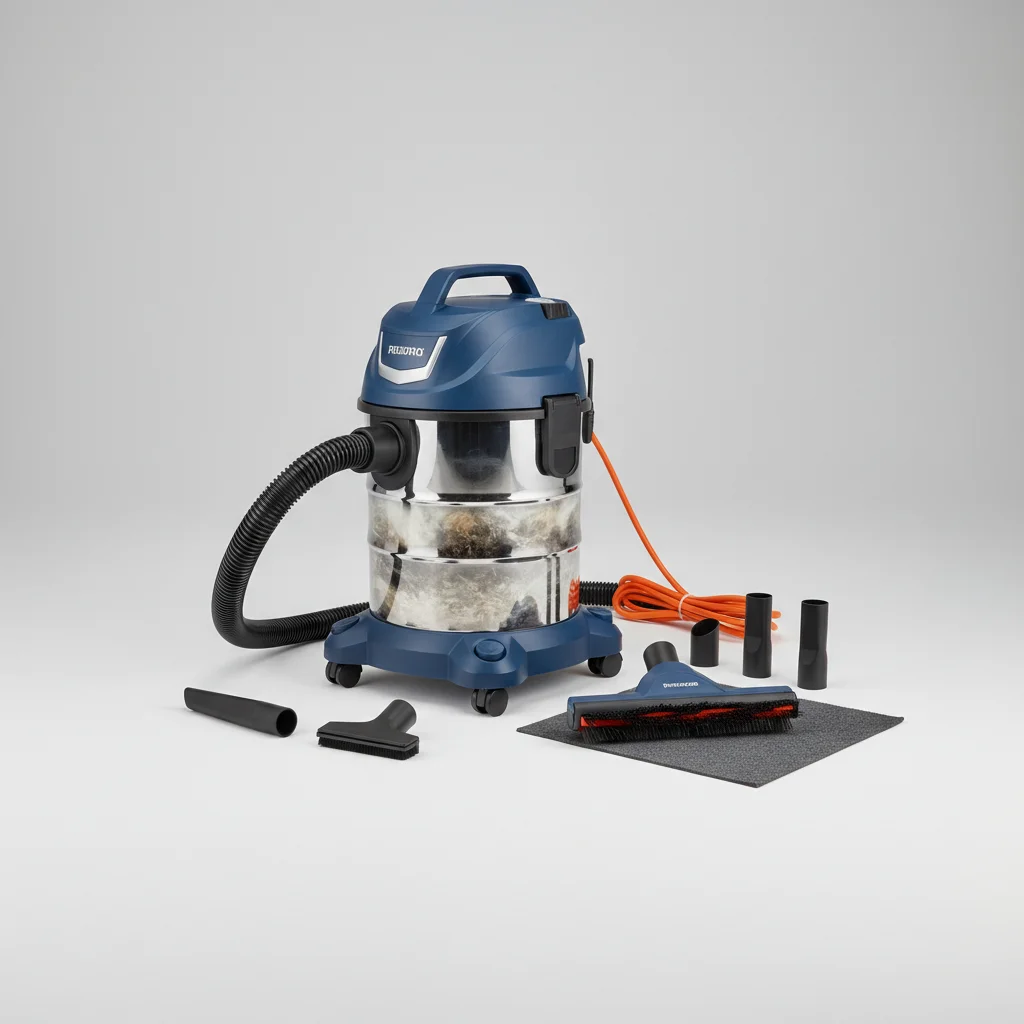
When choosing a shop vacuum for pet hair, the most crucial features are strong suction power, a specialized pet hair nozzle, and an efficient filtration system. These three elements work in tandem to effectively pick up and contain pet hair, dander, and associated allergens, preventing them from recirculating into the air.
Understanding Suction Power for Pet Hair
For pet hair, a shop vacuum needs robust suction. Look for models with a CFM (Cubic Feet per Minute) rating of at least 100 and a water lift (sealed suction) of 70 inches or more. This level of power ensures that even embedded pet hair in carpets, upholstery, or workshop floors can be dislodged and pulled into the collection tank. Lower suction can leave behind stubborn clumps of hair, requiring multiple passes and reducing efficiency.
Many manufacturers will list these specifications, often highlighting them for models designed for heavy-duty cleaning. Consider the type of pets you have; long-haired breeds often shed more, necessitating even greater suction capabilities.
The Importance of Specialized Pet Hair Nozzles
While standard shop vacuum nozzles can pick up some pet hair, specialized attachments are far more effective. These often include turbo brushes or power nozzles with rotating bristles that agitate surfaces, lifting pet hair for easier suction. Some even feature rubberized edges or lint strips designed to attract and gather hair without tangling. Without these, pet hair can often clump at the nozzle opening, reducing airflow and requiring frequent manual clearing.
Ensure the nozzle is wide enough to cover a decent area but not so wide that it compromises suction on concentrated hair patches. A good pet hair nozzle will significantly cut down cleaning time and improve results.
Filtration Systems for Pet Dander and Allergens
|
Our Picks for the Best Shop Vacuum in 2026
As an Amazon Associate I earn from qualifying purchases.
|
||
| Num | Product | Action |
|---|---|---|
| 1 | Stanley - SL18129 Wet/Dry Vacuum, 4 Gallon, 4 Horsepower, Stainless Steel Tank Silver+yellow |

|
| 2 | Shop-Vac 5985005 6 Gallon Wet/Dry Vacuum, 3.5 Peak HP, 1.25 Inch Diameter x 7 Foot Hose, 6 Foot Cord, Ideal for Home, Garage, and Workshop Cleaning |
|
| 3 | Vacmaster Wet/Dry Vacuum with Detachable Blower 6 Gallon 5 Peak HP-VBVB611PF 1101 |
|
| 4 | Armor All VBV809 0901 8-Gallon 4.5 Peak HP Wet/Dry Vacuum with Detachable Blower, Orange |
|
| 5 | Armor All VO408S 0901 4 Gallon 3 Peak HP Stainless Steel Wet/Dry Vacuum, Orange |
|
| 6 | DEWALT DXV16PA 16 Gallon Poly Wet/Dry Vac/Acc, 6.5HP Shop Vacuum Wet/Dry for Jobsite/Workshop, Yellow |
|
| 7 | Kärcher Shop Vacuum WD 4, 5.3 Gal, 3.8 Peak HP, 33 ft Reach, Wet Dry Vacuum Cleaner, Heavy Duty, Blower Function, Crevice Tool, Floor Nozzle, Great for DIY Projects and Workshops |
|
| 8 | Shop-Vac 5989305 Wet/Dry Vacuum, 5 Gallon, 4.5 Peak HP Stainless Steel Vacuum, 1.25 Inch Diameter x 7 Foot Hose, 6 Ft Cord Length, Ideal for Jobsite, Garage, Car & Workshop |
|
| 9 | Shop-Vac 9522205 5 Gallon 5.5 Peak HP Hangup Wet/Dry Vacuum, 1.25 Inch Diameter x 18 Foot Hose, 6 Foot Cord, Wall Mount Included, Ideal for Garage, Workshop & Home |
|
| 10 | Vacmaster VF408 4 Gallon Wet/Dry Vacuum Cleaner with 2-Stage Motor |
|
Pet hair often comes with dander, which can be a significant allergen. An effective filtration system is paramount to prevent these particles from being blown back into the air. Look for shop vacuums with HEPA-rated filters or multi-stage filtration. A HEPA filter can capture 99.97% of particles as small as 0.3 microns, which includes most pet dander and fine dust.
Some systems also incorporate pre-filters or filter bags that capture larger debris and hair, extending the life of the main filter. Regularly cleaning or replacing these filters is essential for maintaining optimal air quality and vacuum performance.
- HEPA Filtration: Essential for capturing fine pet dander and allergens.
- Filter Bags: Help contain pet hair and debris, making disposal cleaner.
- Washable Filters: Offer cost savings and convenience for routine maintenance.
- Multi-Stage Filtration: Provides layers of protection against various particle sizes.
Hose Diameter and Anti-Clog Design
Pet hair, especially long strands, can easily clog narrower hoses. Opt for a shop vacuum with a hose diameter of at least 1.5 inches, or ideally 2.5 inches, to minimize the risk of blockages. Smooth interior hose designs also help prevent hair from snagging and accumulating. Some advanced models feature anti-clogging designs within the hose and nozzle to ensure continuous airflow, even when dealing with large volumes of pet hair.
A wider hose not only reduces clogs but also allows for a greater volume of air to pass through, contributing to overall suction efficiency.
Collection Capacity and Ease of Emptying
Pet hair can quickly fill a vacuum’s collection tank. Choose a shop vacuum with a sufficient capacity to avoid frequent emptying, especially if you have multiple pets or a large area to clean. A 6-gallon capacity is a good starting point, but larger tanks (10-14 gallons) are more suitable for heavy shedding or professional use. The design of the tank and the ease of emptying are also critical. Look for models with quick-release latches, large openings, or even disposable bags that simplify the process and minimize contact with collected pet hair and dust.
