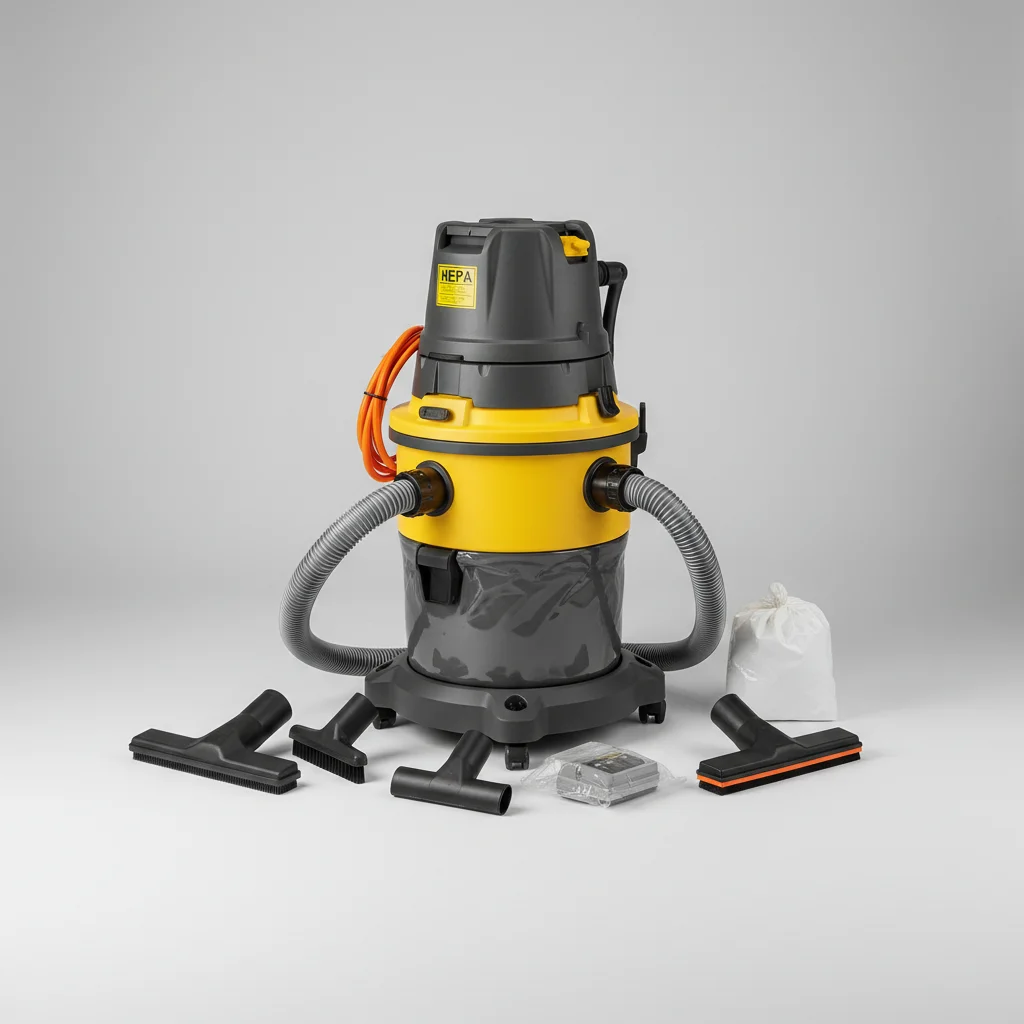
Using a standard shop vacuum for asbestos removal is extremely dangerous and ineffective. A regular shop vacuum cannot safely contain asbestos fibers, which are microscopic and highly carcinogenic. Proper asbestos removal requires specialized equipment, including a HEPA-filtered vacuum specifically rated for asbestos, along with extensive safety protocols and personal protective equipment (PPE).
Why Standard Shop Vacuums Fail Asbestos Containment
Standard shop vacuums are designed for general dust and debris, not hazardous materials like asbestos. Their filters, typically made of paper or foam, are not fine enough to capture the tiny asbestos fibers. These fibers can easily pass through the filter and be released back into the air, contaminating the environment and posing a severe health risk to anyone nearby. Furthermore, the motors in conventional shop vacuums are not sealed to prevent fiber leakage, exacerbating the problem.
The Dangers of Asbestos Exposure
Asbestos is a naturally occurring mineral once widely used in construction and manufacturing due to its heat resistance and durability. However, inhaling asbestos fibers can lead to serious and often fatal diseases, including asbestosis, mesothelioma, and lung cancer. Symptoms may not appear for decades after exposure, making it a silent killer. Even brief exposure to high concentrations of airborne asbestos fibers can be harmful.
What Equipment is Required for Safe Asbestos Cleanup?
For any asbestos-related cleanup, you must use a vacuum specifically designed and certified for asbestos removal. These are often referred to as HEPA (High-Efficiency Particulate Air) vacuums with a minimum filtration efficiency of 99.97% for particles 0.3 microns in size. These vacuums feature multi-stage filtration systems, including pre-filters, intermediate filters, and a final HEPA filter, all designed to trap even the smallest asbestos fibers. Additionally, they are built with sealed systems to prevent any leakage.
- Certified HEPA Vacuum: Must meet strict filtration standards for hazardous materials.
- Disposable Bags: Thick, sealed bags to contain collected asbestos without leakage.
- Personal Protective Equipment (PPE): Includes respirators (N100 or P100), disposable coveralls, gloves, and eye protection.
- Containment Barriers: Plastic sheeting and negative air pressure systems to isolate the work area.
- Wet Methods: Misting asbestos-containing materials with water to reduce fiber release.
Professional Asbestos Abatement vs. DIY
|
Our Picks for the Best Shop Vacuum in 2026
As an Amazon Associate I earn from qualifying purchases.
|
||
| Num | Product | Action |
|---|---|---|
| 1 | DEWALT DXV16PA 16 Gallon Poly Wet/Dry Vac/Acc, 6.5HP Shop Vacuum Wet/Dry for Jobsite/Workshop, Yellow |

|
| 2 | Shop-Vac 5989305 Wet/Dry Vacuum, 5 Gallon, 4.5 Peak HP Stainless Steel Vacuum, 1.25 Inch Diameter x 7 Foot Hose, 6 Ft Cord Length, Ideal for Jobsite, Garage, Car & Workshop |
|
| 3 | Armor All VBV809 0901 8-Gallon 4.5 Peak HP Wet/Dry Vacuum with Detachable Blower, Orange |
|
| 4 | Stanley - SL18129 Wet/Dry Vacuum, 4 Gallon, 4 Horsepower, Stainless Steel Tank Silver+yellow |
|
| 5 | Vacmaster VF408 4 Gallon Wet/Dry Vacuum Cleaner with 2-Stage Motor |
|
| 6 | Armor All VO408S 0901 4 Gallon 3 Peak HP Stainless Steel Wet/Dry Vacuum, Orange |
|
| 7 | Shop-Vac 9522205 5 Gallon 5.5 Peak HP Hangup Wet/Dry Vacuum, 1.25 Inch Diameter x 18 Foot Hose, 6 Foot Cord, Wall Mount Included, Ideal for Garage, Workshop & Home |
|
| 8 | Vacmaster Wet/Dry Vacuum with Detachable Blower 6 Gallon 5 Peak HP-VBVB611PF 1101 |
|
| 9 | Kärcher Shop Vacuum WD 4, 5.3 Gal, 3.8 Peak HP, 33 ft Reach, Wet Dry Vacuum Cleaner, Heavy Duty, Blower Function, Crevice Tool, Floor Nozzle, Great for DIY Projects and Workshops |
|
| 10 | Shop-Vac 5985005 6 Gallon Wet/Dry Vacuum, 3.5 Peak HP, 1.25 Inch Diameter x 7 Foot Hose, 6 Foot Cord, Ideal for Home, Garage, and Workshop Cleaning |
|
Due to the severe health risks, asbestos removal should almost always be handled by certified professionals. Asbestos abatement contractors have the training, specialized equipment, and licensing required to safely identify, contain, and remove asbestos-containing materials. They follow strict regulations set by OSHA and EPA to protect workers and the public. Attempting DIY asbestos removal without proper training and equipment can lead to widespread contamination and severe legal penalties.
If you suspect you have asbestos in your home or workplace, do not disturb it. Contact a qualified asbestos professional for testing and removal. They can assess the situation and recommend the safest course of action.
Disposal of Asbestos-Contaminated Materials
Asbestos-containing materials (ACMs) cannot be disposed of in regular household trash. They are classified as hazardous waste and must be handled and disposed of according to strict local, state, and federal regulations. This typically involves double-bagging the materials in specially labeled, thick plastic bags and transporting them to an approved hazardous waste landfill. Professionals are well-versed in these disposal requirements, ensuring that the asbestos does not pose a risk to the environment or public health after removal.
