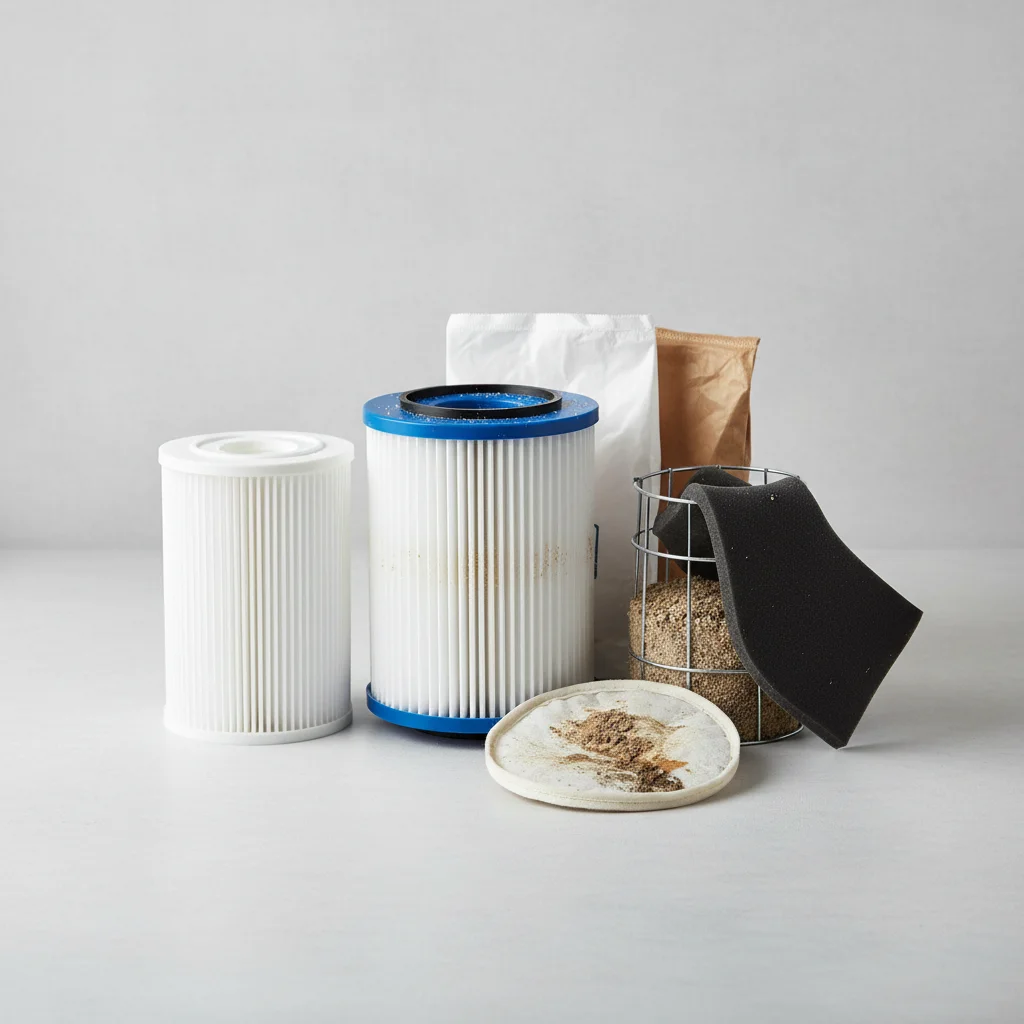
Understanding when to replace your shop vacuum filters is crucial for maintaining optimal suction and air quality. Generally, you should aim to replace your shop vacuum filter every 6 to 12 months, or more frequently depending on usage and the type of debris being collected. Ignoring filter maintenance can lead to reduced performance and potential damage to your vacuum’s motor.
Why Filter Replacement Matters for Performance
A clogged or dirty filter significantly restricts airflow, forcing your shop vacuum’s motor to work harder. This not only diminishes suction power but also increases the risk of overheating and premature motor failure. Regular replacement ensures your vacuum operates at peak efficiency, effectively capturing dust, debris, and liquids without strain. It’s a small investment that extends the life of your valuable tool.
Factors Influencing Filter Lifespan
Several factors dictate how long your shop vacuum filter will last. The type of material you’re vacuuming is paramount; fine dust from drywall or woodworking clogs filters much faster than larger debris like wood chips or saw dust. Frequent wet vacuuming can also degrade paper filters quickly, necessitating a switch to a foam filter designed for liquids. Furthermore, the frequency of use plays a significant role; a professional contractor using their shop vacuum daily will need to replace filters far more often than a homeowner using it for occasional DIY projects.
- Type of debris (fine dust vs. large particles)
- Frequency and duration of use
- Wet vs. dry vacuuming applications
- Environmental conditions (humidity, temperature)
- Filter material and quality
Choosing the Right Replacement Filter
|
Our Picks for the Best Shop Vacuum in 2026
As an Amazon Associate I earn from qualifying purchases.
|
||
| Num | Product | Action |
|---|---|---|
| 1 | Stanley - SL18129 Wet/Dry Vacuum, 4 Gallon, 4 Horsepower, Stainless Steel Tank Silver+yellow |

|
| 2 | Shop-Vac 9522205 5 Gallon 5.5 Peak HP Hangup Wet/Dry Vacuum, 1.25 Inch Diameter x 18 Foot Hose, 6 Foot Cord, Wall Mount Included, Ideal for Garage, Workshop & Home |
|
| 3 | Armor All VBV809 0901 8-Gallon 4.5 Peak HP Wet/Dry Vacuum with Detachable Blower, Orange |
|
| 4 | Shop-Vac 5989305 Wet/Dry Vacuum, 5 Gallon, 4.5 Peak HP Stainless Steel Vacuum, 1.25 Inch Diameter x 7 Foot Hose, 6 Ft Cord Length, Ideal for Jobsite, Garage, Car & Workshop |
|
| 5 | Kärcher Shop Vacuum WD 4, 5.3 Gal, 3.8 Peak HP, 33 ft Reach, Wet Dry Vacuum Cleaner, Heavy Duty, Blower Function, Crevice Tool, Floor Nozzle, Great for DIY Projects and Workshops |
|
| 6 | Vacmaster Wet/Dry Vacuum with Detachable Blower 6 Gallon 5 Peak HP-VBVB611PF 1101 |
|
| 7 | Shop-Vac 5985005 6 Gallon Wet/Dry Vacuum, 3.5 Peak HP, 1.25 Inch Diameter x 7 Foot Hose, 6 Foot Cord, Ideal for Home, Garage, and Workshop Cleaning |
|
| 8 | Armor All VO408S 0901 4 Gallon 3 Peak HP Stainless Steel Wet/Dry Vacuum, Orange |
|
| 9 | Vacmaster VF408 4 Gallon Wet/Dry Vacuum Cleaner with 2-Stage Motor |
|
| 10 | DEWALT DXV16PA 16 Gallon Poly Wet/Dry Vac/Acc, 6.5HP Shop Vacuum Wet/Dry for Jobsite/Workshop, Yellow |
|
Selecting the correct replacement filter is just as important as knowing when to replace it. Always refer to your shop vacuum’s manual for the recommended filter type and part number. Many manufacturers offer different filters for specific applications, such as high-efficiency particulate air (HEPA) filters for fine dust, cartridge filters for general dry use, and foam filters for wet pickup. Using the wrong filter can compromise performance and even void your warranty. Consider a washable filter for extended life and cost savings, but ensure it’s thoroughly dry before reinstallation.
Step-by-Step Filter Replacement Guide
Replacing your shop vacuum filter is a straightforward process. First, always unplug the vacuum from the power source to prevent accidental startup. Next, unlatch the motor head and carefully remove it from the collection drum. Depending on your model, the filter will either be secured by a nut, a twist-lock mechanism, or simply slide off the filter cage. Remove the old filter, dispose of it properly, and clean any debris from the filter cage. Install the new filter, ensuring it’s seated correctly and securely. Finally, reattach the motor head and latch it firmly in place.
Maintenance Tips to Extend Filter Life
While replacement is inevitable, you can extend your filter’s life with proper maintenance. For dry filters, regularly tapping or brushing off accumulated dust can significantly improve airflow between replacements. Some filters can be gently cleaned with compressed air, but always check the manufacturer’s guidelines first, as excessive force can damage the filter media. For wet/dry vacuums, always switch to a foam filter when vacuuming liquids to prevent damage to dry-use paper filters. Storing your shop vacuum in a clean, dry environment also helps prevent premature filter degradation.
When to Consider an Upgrade
If you find yourself replacing filters excessively often, or if your shop vacuum consistently struggles with the type of debris you’re collecting, it might be time to consider an upgrade. Newer models often feature improved filtration systems, more powerful motors, and easier filter access. Investing in a shop vacuum with a self-cleaning filter mechanism or a cyclonic pre-separator can drastically reduce the frequency of filter replacements and improve overall efficiency, especially for heavy-duty users.
