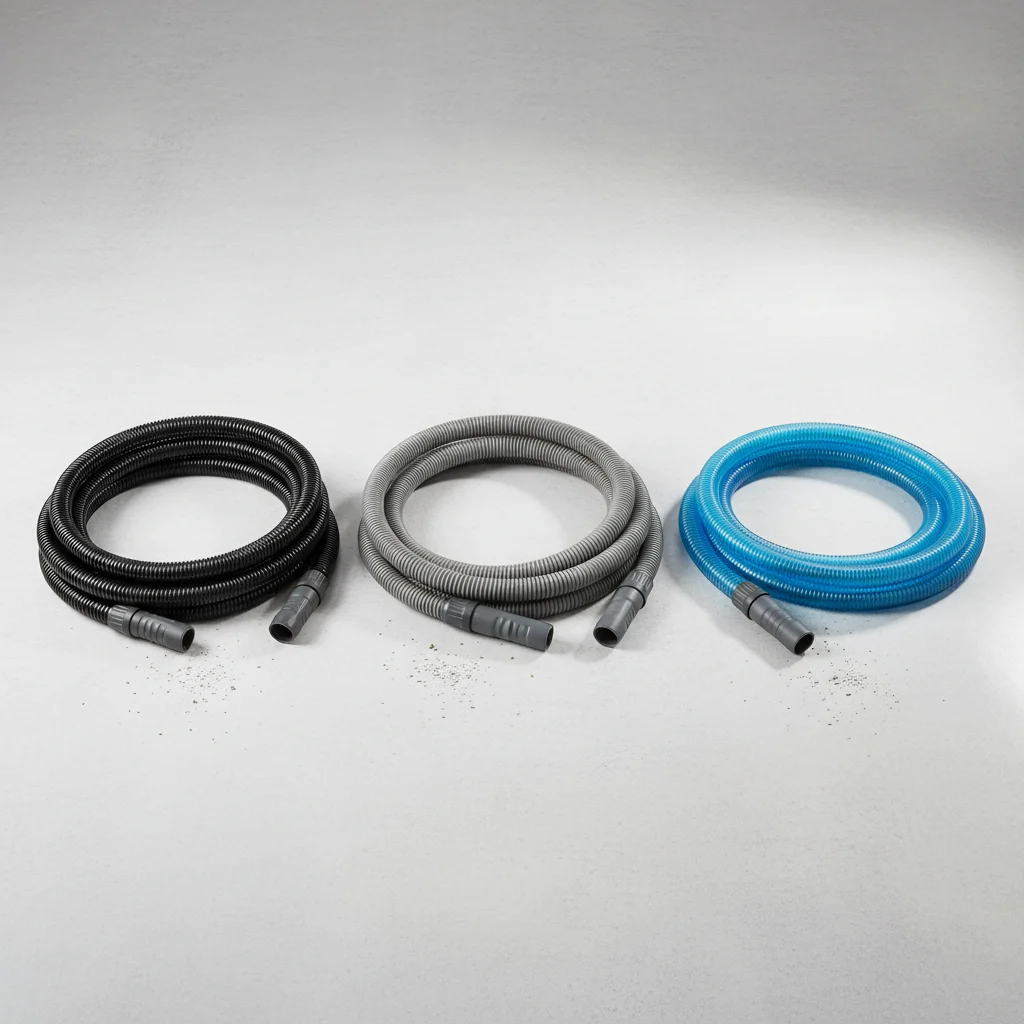
Choosing the right length for your shop vacuum extension hose is crucial for maximizing efficiency and reach without sacrificing suction. Generally, a 10-foot extension hose offers the best balance for most home workshops and garages, providing ample reach for various tasks while minimizing pressure drop. However, specific applications might benefit from shorter or longer options, ranging from 6 feet for compact spaces to 20 feet for extensive areas.
Understanding Hose Length and Suction Power
The length of your shop vacuum hose directly impacts its suction power. Longer hoses create more friction and a greater pressure drop, which can reduce the effective suction at the nozzle. While a 10-foot extension is often ideal, exceeding 20 feet can significantly diminish performance, especially with smaller horsepower vacuums. It’s important to consider the vacuum’s CFM (Cubic Feet per Minute) and static pressure ratings when adding extensions.
For tasks requiring extensive reach, such as cleaning out a large vehicle or reaching high ceilings, a longer hose might be necessary. In these cases, opting for a wider diameter hose (e.g., 2.5 inches instead of 1.25 inches) can help mitigate the loss of suction, as wider hoses allow for greater airflow with less resistance.
Common Shop Vacuum Extension Hose Lengths and Their Uses
- 6-Foot Hoses: Ideal for small workshops, benchtop tasks, or when working in confined spaces where maneuverability is key. They offer minimal suction loss.
- 10-Foot Hoses: The most versatile option for general home and garage use, providing a good balance of reach and suction for most cleaning and dust collection tasks.
- 15-Foot Hoses: Suitable for larger garages, two-car workshops, or when you need to reach multiple areas without frequently moving the vacuum unit.
- 20-Foot Hoses: Best for professional settings, large commercial spaces, or extensive vehicle detailing where the vacuum unit remains stationary and maximum reach is paramount.
Factors to Consider When Choosing Your Hose Length
|
Our Picks for the Best Shop Vacuum in 2026
As an Amazon Associate I earn from qualifying purchases.
|
||
| Num | Product | Action |
|---|---|---|
| 1 | Stanley - SL18129 Wet/Dry Vacuum, 4 Gallon, 4 Horsepower, Stainless Steel Tank Silver+yellow |

|
| 2 | Armor All VBV809 0901 8-Gallon 4.5 Peak HP Wet/Dry Vacuum with Detachable Blower, Orange |
|
| 3 | Shop-Vac 5985005 6 Gallon Wet/Dry Vacuum, 3.5 Peak HP, 1.25 Inch Diameter x 7 Foot Hose, 6 Foot Cord, Ideal for Home, Garage, and Workshop Cleaning |
|
| 4 | Kärcher Shop Vacuum WD 4, 5.3 Gal, 3.8 Peak HP, 33 ft Reach, Wet Dry Vacuum Cleaner, Heavy Duty, Blower Function, Crevice Tool, Floor Nozzle, Great for DIY Projects and Workshops |
|
| 5 | Shop-Vac 5989305 Wet/Dry Vacuum, 5 Gallon, 4.5 Peak HP Stainless Steel Vacuum, 1.25 Inch Diameter x 7 Foot Hose, 6 Ft Cord Length, Ideal for Jobsite, Garage, Car & Workshop |
|
| 6 | Armor All VO408S 0901 4 Gallon 3 Peak HP Stainless Steel Wet/Dry Vacuum, Orange |
|
| 7 | Vacmaster Wet/Dry Vacuum with Detachable Blower 6 Gallon 5 Peak HP-VBVB611PF 1101 |
|
| 8 | Vacmaster VF408 4 Gallon Wet/Dry Vacuum Cleaner with 2-Stage Motor |
|
| 9 | DEWALT DXV16PA 16 Gallon Poly Wet/Dry Vac/Acc, 6.5HP Shop Vacuum Wet/Dry for Jobsite/Workshop, Yellow |
|
| 10 | Shop-Vac 9522205 5 Gallon 5.5 Peak HP Hangup Wet/Dry Vacuum, 1.25 Inch Diameter x 18 Foot Hose, 6 Foot Cord, Wall Mount Included, Ideal for Garage, Workshop & Home |
|
When selecting a shop vacuum extension hose, several factors should guide your decision. First, assess the typical distance between your shop vacuum and the areas you need to clean. Avoid purchasing a hose that is excessively long for your needs, as this will only lead to unnecessary suction loss. Second, consider the type of debris you’ll be collecting. For heavy, dense materials, maintaining strong suction is critical, making shorter or wider hoses more advantageous.
Finally, think about storage. Longer hoses can be more cumbersome to store and manage. Many users find that a modular approach, using a standard hose with an additional 6-foot or 10-foot extension when needed, offers the best flexibility. This allows you to adapt to different tasks without permanently compromising suction for everyday use.
Maintaining Your Extension Hose for Optimal Performance
Proper maintenance of your shop vacuum extension hose is essential for ensuring its longevity and maintaining peak suction. Regularly inspect the hose for any cracks, tears, or blockages. Even small holes can significantly reduce suction power. Clear any accumulated debris from inside the hose, as this can restrict airflow and put a strain on your vacuum’s motor.
Store your hose properly to prevent kinking or damage. Coiling it loosely or hanging it on a hook can help preserve its integrity. Avoid leaving hoses exposed to extreme temperatures or direct sunlight for prolonged periods, as this can degrade the material over time. A well-maintained hose will ensure your shop vacuum operates at its best for years to come.
For a reliable and durable extension hose that balances flexibility and performance, consider the. If you require a heavy-duty option for demanding professional use, theoffers superior durability and airflow.
