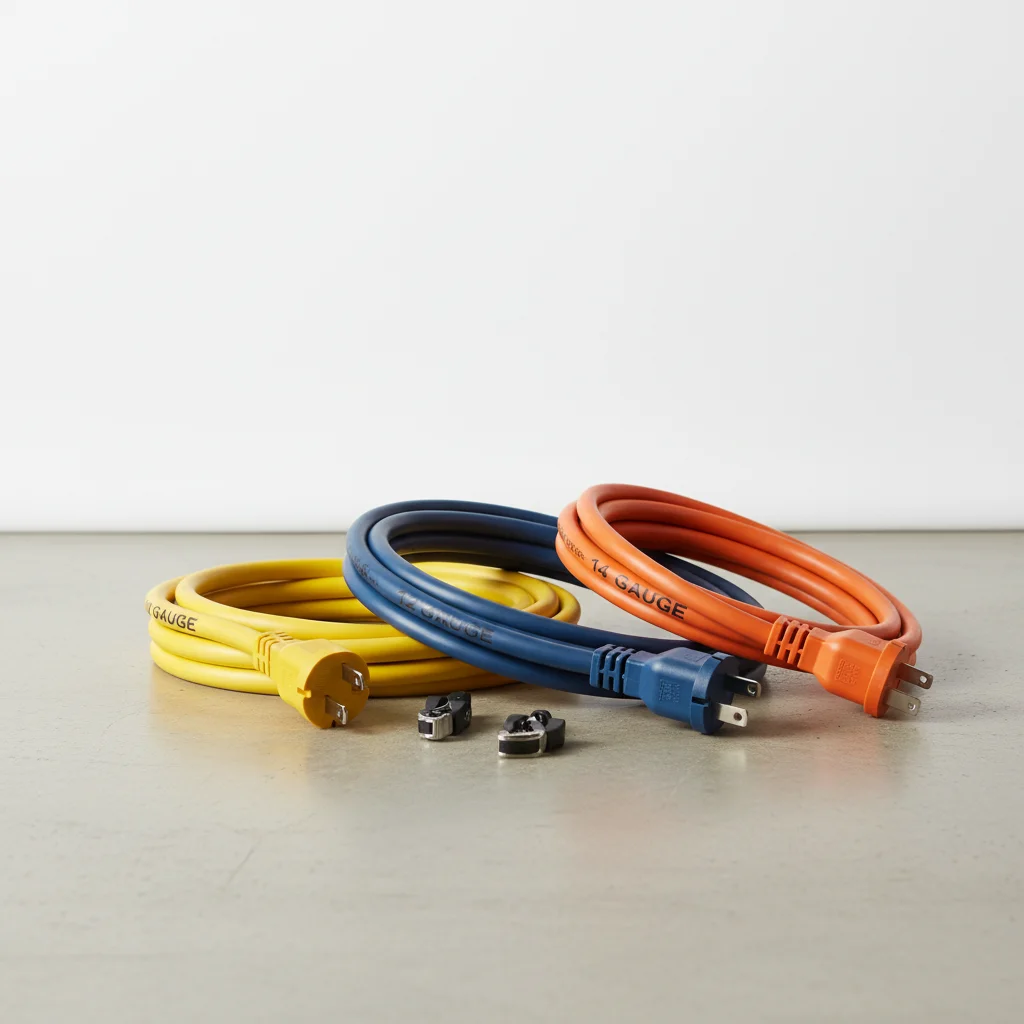
Choosing the correct gauge for your shop vacuum extension cord is crucial for both performance and safety. For most standard shop vacuums (up to 10 amps), a 14-gauge extension cord is the ideal choice for lengths up to 50 feet. This ensures adequate power delivery without overheating, preventing damage to your vacuum and reducing fire hazards.
Understanding Extension Cord Gauges
The gauge of an extension cord refers to the thickness of its wire. A lower gauge number indicates a thicker wire, which can carry more current over longer distances without significant voltage drop. For example, a 12-gauge cord is thicker than a 14-gauge cord. Using a cord that is too thin for your shop vacuum’s amperage can lead to reduced suction, motor strain, and potential overheating. For browse all shop vacuum articles on this site.
Always check your shop vacuum’s amperage rating, usually found on a label near the power cord or in the owner’s manual. This rating is the primary factor in determining the appropriate extension cord gauge.
Matching Cord Length to Gauge
The length of your extension cord also plays a significant role in gauge selection. The longer the cord, the more resistance it introduces, which can lead to voltage drop. For shop vacuums drawing 10 amps or less:
- Up to 25 feet: 16-gauge is generally sufficient.
- 25 to 50 feet: 14-gauge is recommended.
- 50 to 100 feet: 12-gauge is necessary to prevent voltage drop.
For heavy-duty shop vacuums (10-15 amps), you’ll need a thicker cord. A 12-gauge cord is suitable for lengths up to 50 feet, and a 10-gauge cord should be used for lengths up to 100 feet. Always err on the side of a thicker gauge if you are unsure or if your vacuum is close to the upper limit of an amperage range.
Safety Considerations and Best Practices
|
Our Picks for the Best Shop Vacuum in 2026
As an Amazon Associate I earn from qualifying purchases.
|
||
| Num | Product | Action |
|---|---|---|
| 1 | Shop-Vac 5985005 6 Gallon Wet/Dry Vacuum, 3.5 Peak HP, 1.25 Inch Diameter x 7 Foot Hose, 6 Foot Cord, Ideal for Home, Garage, and Workshop Cleaning |

|
| 2 | Vacmaster VF408 4 Gallon Wet/Dry Vacuum Cleaner with 2-Stage Motor |
|
| 3 | Shop-Vac 5989305 Wet/Dry Vacuum, 5 Gallon, 4.5 Peak HP Stainless Steel Vacuum, 1.25 Inch Diameter x 7 Foot Hose, 6 Ft Cord Length, Ideal for Jobsite, Garage, Car & Workshop |
|
| 4 | Stanley - SL18129 Wet/Dry Vacuum, 4 Gallon, 4 Horsepower, Stainless Steel Tank Silver+yellow |
|
| 5 | Vacmaster Wet/Dry Vacuum with Detachable Blower 6 Gallon 5 Peak HP-VBVB611PF 1101 |
|
| 6 | Armor All VBV809 0901 8-Gallon 4.5 Peak HP Wet/Dry Vacuum with Detachable Blower, Orange |
|
| 7 | Kärcher Shop Vacuum WD 4, 5.3 Gal, 3.8 Peak HP, 33 ft Reach, Wet Dry Vacuum Cleaner, Heavy Duty, Blower Function, Crevice Tool, Floor Nozzle, Great for DIY Projects and Workshops |
|
| 8 | DEWALT DXV16PA 16 Gallon Poly Wet/Dry Vac/Acc, 6.5HP Shop Vacuum Wet/Dry for Jobsite/Workshop, Yellow |
|
| 9 | Armor All VO408S 0901 4 Gallon 3 Peak HP Stainless Steel Wet/Dry Vacuum, Orange |
|
| 10 | Shop-Vac 9522205 5 Gallon 5.5 Peak HP Hangup Wet/Dry Vacuum, 1.25 Inch Diameter x 18 Foot Hose, 6 Foot Cord, Wall Mount Included, Ideal for Garage, Workshop & Home |
|
Beyond gauge and length, several other factors contribute to safe extension cord use. Always choose cords rated for outdoor use if you’ll be working outside, as these have more durable insulation. Look for cords with a UL or ETL safety certification, indicating they meet specific safety standards. Avoid daisy-chaining multiple extension cords together, as this significantly increases the risk of overheating and electrical hazards.
Regularly inspect your extension cords for any signs of damage, such as frayed wires, cracked insulation, or bent prongs. Damaged cords should be replaced immediately. Never remove the ground prong from a three-prong plug, as this defeats the safety mechanism designed to protect against electrical shock.
Why the Right Cord Matters for Performance
Using an undersized extension cord can severely impact your shop vacuum’s performance. A significant voltage drop will cause the motor to work harder, generating more heat and potentially shortening its lifespan. You’ll notice a decrease in suction power and overall efficiency. This is particularly noticeable with larger, more powerful shop vacuums that demand a consistent power supply. Investing in the correct gauge extension cord is a small cost compared to replacing a damaged vacuum motor or dealing with electrical issues.
For optimal performance and safety, always prioritize the correct gauge and length for your specific shop vacuum.Consider a high-visibility cord for busy workshops to prevent tripping hazards.
