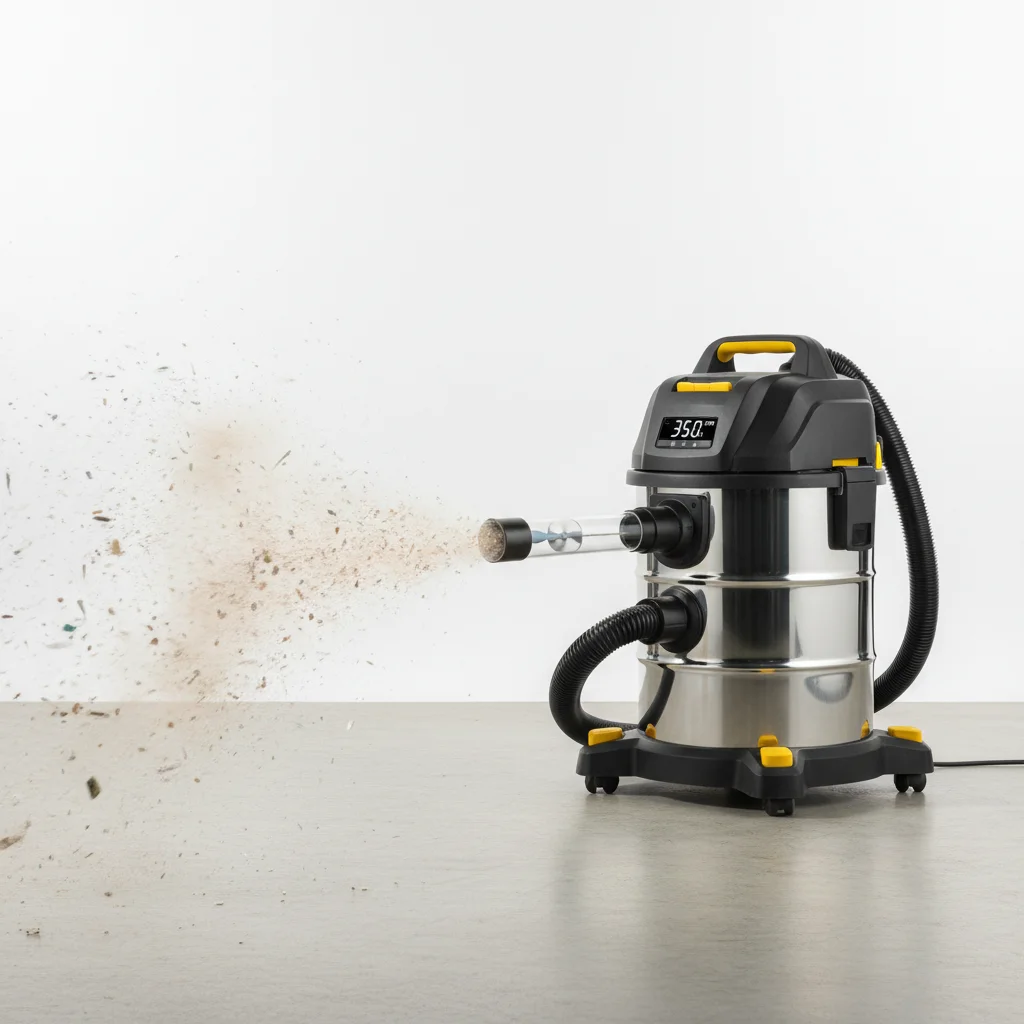
Determining the ideal shop vacuum CFM (Cubic Feet per Minute) depends entirely on the specific tasks you’ll be performing. For general workshop cleanup and light dust collection, a shop vacuum with 100-150 CFM is typically sufficient. However, for more demanding applications like connecting to power tools for fine dust extraction or handling large debris, you’ll want a unit offering 180 CFM or higher to ensure effective suction and air movement.
Understanding CFM and Its Importance
CFM measures the volume of air a shop vacuum can move per minute. A higher CFM rating generally indicates stronger suction power, especially when dealing with larger volumes of debris or when connecting the vacuum to dust-producing tools. It’s a critical specification to consider, as inadequate CFM can lead to inefficient cleaning, airborne dust, and potential damage to your tools or respiratory health. While horsepower often gets the spotlight, CFM is a more direct indicator of a vacuum’s ability to clear debris and maintain a clean workspace. For explore our shop vacuum reviews on this site.
Matching CFM to Your Specific Tasks
The type of work you do dictates the CFM requirements. For instance, a small DIY project involving light sawdust from a miter saw might only need 120 CFM. Conversely, if you’re sanding drywall or using a planer, a shop vacuum with 200+ CFM will be far more effective at capturing the fine, voluminous dust generated. Consider the size of the debris, the amount of dust, and the length and diameter of the hose you plan to use, as these factors all influence the effective CFM at the nozzle.
- Light Cleanup (Sawdust, Small Debris): 100-150 CFM
- Power Tool Dust Collection (Saws, Sanders): 150-200 CFM
- Heavy-Duty Cleanup (Wet Spills, Large Wood Chips): 180-250+ CFM
- Fine Dust Extraction (Drywall, Concrete): 200-300+ CFM
The Role of Hose Diameter and Length
|
Our Picks for the Best Shop Vacuum in 2026
As an Amazon Associate I earn from qualifying purchases.
|
||
| Num | Product | Action |
|---|---|---|
| 1 | DEWALT DXV16PA 16 Gallon Poly Wet/Dry Vac/Acc, 6.5HP Shop Vacuum Wet/Dry for Jobsite/Workshop, Yellow |

|
| 2 | Vacmaster VF408 4 Gallon Wet/Dry Vacuum Cleaner with 2-Stage Motor |
|
| 3 | Stanley - SL18129 Wet/Dry Vacuum, 4 Gallon, 4 Horsepower, Stainless Steel Tank Silver+yellow |
|
| 4 | Kärcher Shop Vacuum WD 4, 5.3 Gal, 3.8 Peak HP, 33 ft Reach, Wet Dry Vacuum Cleaner, Heavy Duty, Blower Function, Crevice Tool, Floor Nozzle, Great for DIY Projects and Workshops |
|
| 5 | Armor All VBV809 0901 8-Gallon 4.5 Peak HP Wet/Dry Vacuum with Detachable Blower, Orange |
|
| 6 | Armor All VO408S 0901 4 Gallon 3 Peak HP Stainless Steel Wet/Dry Vacuum, Orange |
|
| 7 | Vacmaster Wet/Dry Vacuum with Detachable Blower 6 Gallon 5 Peak HP-VBVB611PF 1101 |
|
| 8 | Shop-Vac 5989305 Wet/Dry Vacuum, 5 Gallon, 4.5 Peak HP Stainless Steel Vacuum, 1.25 Inch Diameter x 7 Foot Hose, 6 Ft Cord Length, Ideal for Jobsite, Garage, Car & Workshop |
|
| 9 | Shop-Vac 5985005 6 Gallon Wet/Dry Vacuum, 3.5 Peak HP, 1.25 Inch Diameter x 7 Foot Hose, 6 Foot Cord, Ideal for Home, Garage, and Workshop Cleaning |
|
| 10 | Shop-Vac 9522205 5 Gallon 5.5 Peak HP Hangup Wet/Dry Vacuum, 1.25 Inch Diameter x 18 Foot Hose, 6 Foot Cord, Wall Mount Included, Ideal for Garage, Workshop & Home |
|
While a shop vacuum might boast a high CFM rating, the actual airflow at the cleaning end can be significantly reduced by the hose. A smaller diameter hose (e.g., 1.25 inches) creates more resistance and friction, decreasing effective CFM compared to a wider hose (e.g., 2.5 inches). Similarly, longer hoses also reduce airflow. For optimal performance, especially with higher CFM vacuums, use the shortest and widest hose practical for your application. This minimizes pressure drop and maximizes the vacuum’s true potential.
When More CFM Isn’t Always Better
It’s tempting to think that the highest CFM is always the best, but there’s a point of diminishing returns. Extremely high CFM vacuums often come with increased noise levels, larger footprints, and higher price tags. For many home users or small workshops, a mid-range CFM unit (150-200 CFM) strikes an excellent balance between power, cost, and practicality. Over-specifying your CFM can lead to unnecessary expense and a more cumbersome machine than required for your typical tasks. Always consider your primary use cases before investing in an ultra-high CFM model.
Maintaining Optimal CFM Performance
Even the best shop vacuum will lose CFM if not properly maintained. Clogged filters are the most common culprit for reduced airflow. Regularly cleaning or replacing your filter according to the manufacturer’s recommendations is crucial. Additionally, ensure hoses are free of clogs and that all connections are sealed tightly to prevent air leaks, which can drastically diminish effective suction. A well-maintained shop vacuum will consistently deliver its rated CFM, ensuring efficient and effective cleaning for years to come.
