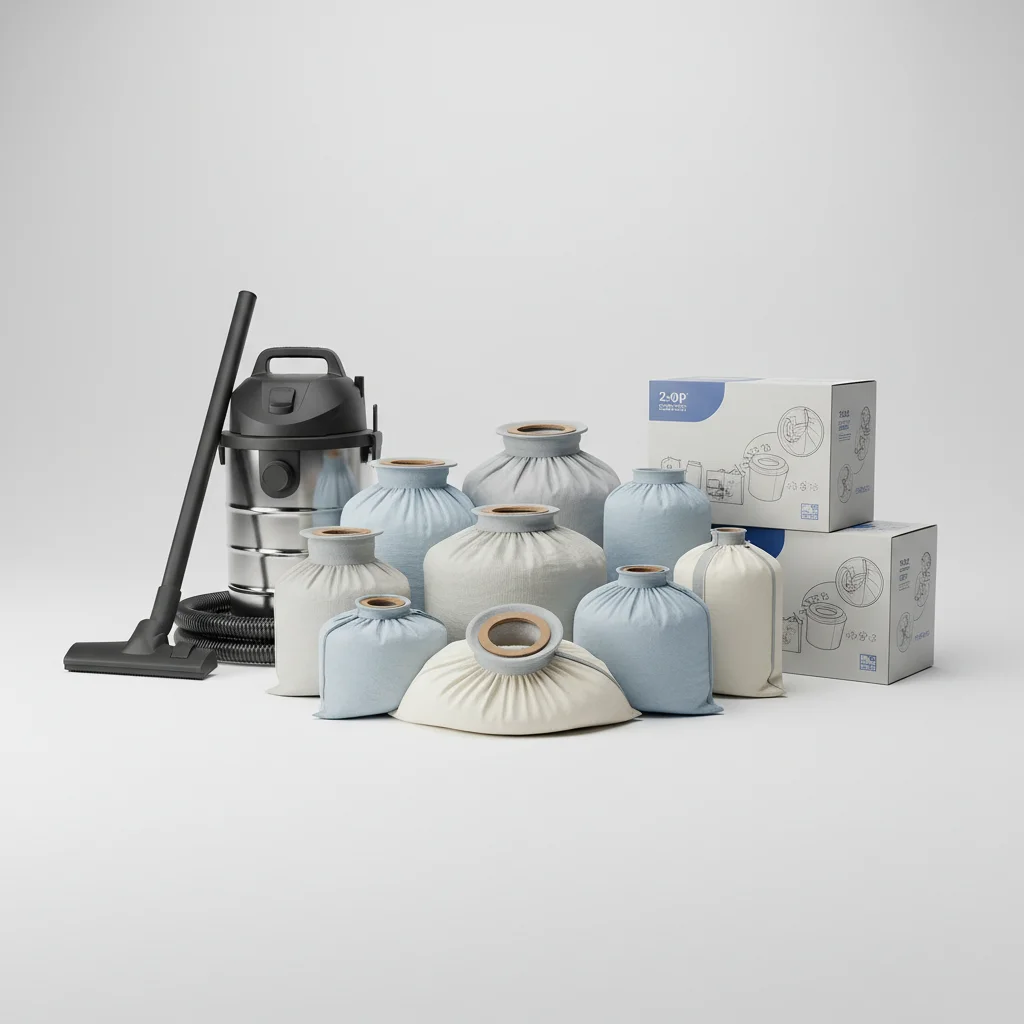
Shop vacuum bags are not always necessary, but they offer significant benefits for specific tasks and types of debris. While many shop vacuums can operate without a bag, using one can dramatically improve filtration, simplify disposal, and extend the life of your filter. For fine dust, drywall particles, or large volumes of dry debris, a bag is highly recommended to prevent premature filter clogging and maintain optimal suction.
The Role of Shop Vacuum Bags in Filtration
Shop vacuum bags act as a crucial pre-filter, capturing the majority of dust and debris before it reaches the main filter. This multi-stage filtration system is particularly effective for fine particles like sawdust, drywall dust, or concrete dust, which can quickly overwhelm and clog a standard filter. By trapping these smaller particles, the bag prevents them from being recirculated into the air, leading to cleaner exhaust and a healthier working environment. This enhanced filtration is especially important for users with allergies or those working in enclosed spaces. For more shop vacuum guides on this site.
Benefits of Using a Shop Vacuum Bag
Beyond improved filtration, shop vacuum bags offer several practical advantages. They make debris disposal significantly cleaner and easier. Instead of opening the canister and dealing with a cloud of dust, you simply remove the sealed bag and discard it. This is a major time-saver and reduces exposure to harmful particulates. Furthermore, using a bag protects your main filter from direct contact with abrasive or wet debris, extending its lifespan and reducing the frequency of costly replacements. This can lead to long-term savings and more consistent performance from your shop vacuum.
- Cleaner and easier debris disposal.
- Extended lifespan of the main filter.
- Improved air quality by trapping fine dust.
- Prevents filter clogging, maintaining suction power.
- Reduces exposure to harmful particulates.
When to Use a Shop Vacuum Bag
|
Our Picks for the Best Shop Vacuum in 2026
As an Amazon Associate I earn from qualifying purchases.
|
||
| Num | Product | Action |
|---|---|---|
| 1 | Vacmaster VF408 4 Gallon Wet/Dry Vacuum Cleaner with 2-Stage Motor |

|
| 2 | Armor All VBV809 0901 8-Gallon 4.5 Peak HP Wet/Dry Vacuum with Detachable Blower, Orange |
|
| 3 | DEWALT DXV16PA 16 Gallon Poly Wet/Dry Vac/Acc, 6.5HP Shop Vacuum Wet/Dry for Jobsite/Workshop, Yellow |
|
| 4 | Vacmaster Wet/Dry Vacuum with Detachable Blower 6 Gallon 5 Peak HP-VBVB611PF 1101 |
|
| 5 | Shop-Vac 9522205 5 Gallon 5.5 Peak HP Hangup Wet/Dry Vacuum, 1.25 Inch Diameter x 18 Foot Hose, 6 Foot Cord, Wall Mount Included, Ideal for Garage, Workshop & Home |
|
| 6 | Stanley - SL18129 Wet/Dry Vacuum, 4 Gallon, 4 Horsepower, Stainless Steel Tank Silver+yellow |
|
| 7 | Shop-Vac 5989305 Wet/Dry Vacuum, 5 Gallon, 4.5 Peak HP Stainless Steel Vacuum, 1.25 Inch Diameter x 7 Foot Hose, 6 Ft Cord Length, Ideal for Jobsite, Garage, Car & Workshop |
|
| 8 | Kärcher Shop Vacuum WD 4, 5.3 Gal, 3.8 Peak HP, 33 ft Reach, Wet Dry Vacuum Cleaner, Heavy Duty, Blower Function, Crevice Tool, Floor Nozzle, Great for DIY Projects and Workshops |
|
| 9 | Armor All VO408S 0901 4 Gallon 3 Peak HP Stainless Steel Wet/Dry Vacuum, Orange |
|
| 10 | Shop-Vac 5985005 6 Gallon Wet/Dry Vacuum, 3.5 Peak HP, 1.25 Inch Diameter x 7 Foot Hose, 6 Foot Cord, Ideal for Home, Garage, and Workshop Cleaning |
|
While not mandatory for all tasks, shop vacuum bags are highly recommended in several scenarios. If you’re working with fine dust from sanding, drywall repair, or woodworking, a bag is essential for effective dust collection and to prevent filter damage. For large volumes of dry debris, such as wood chips or construction waste, a bag simplifies cleanup and keeps the canister cleaner. However, for wet pickup, bags are generally not used as they can become saturated and tear, hindering the vacuum’s performance. Always consult your shop vacuum’s manual for specific recommendations regarding bag usage for wet applications.
Choosing the Right Shop Vacuum Bag
Selecting the correct bag for your shop vacuum is crucial for optimal performance. Always use bags specifically designed for your vacuum’s make and model. Universal bags may not fit properly, leading to leaks and reduced filtration efficiency. Consider the material of the bag; some are designed for heavy-duty use, while others offer enhanced filtration for very fine dust. For example, high-efficiency bags are excellent for capturing allergens and microscopic particles. Investing in quality bags ensures your shop vacuum operates at its peak and provides the best possible air quality.
Maintaining Your Shop Vacuum with Bags
Even with bags, regular maintenance of your shop vacuum is important. Periodically check the main filter for any dust that might have bypassed the bag, and clean or replace it as needed. Ensure the hose and attachments are free of clogs to maintain strong suction. When changing a full bag, inspect the inside of the canister for any residual debris and wipe it clean. Proper maintenance, combined with the use of appropriate bags, will ensure your shop vacuum remains a powerful and reliable tool for years to come.
