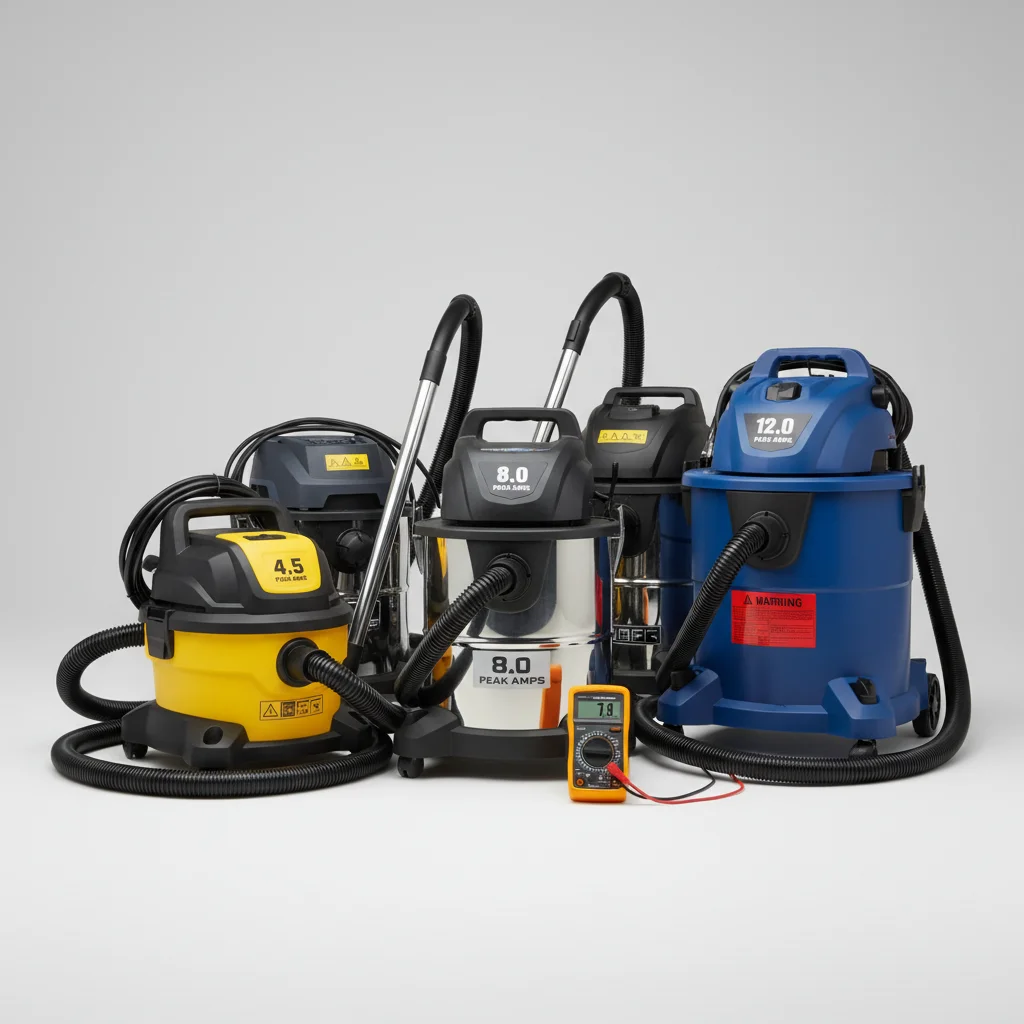
Understanding shop vacuum amps is crucial for optimal performance and preventing electrical issues. For most home workshops and DIY tasks, a shop vacuum with 8 to 12 amps is perfectly sufficient, providing ample suction for common debris like sawdust, drywall dust, and small spills. Professional or heavy-duty applications, however, might benefit from higher amperage models.
What Do Amps Mean for Your Shop Vacuum?
Amperage (amps) indicates the amount of electrical current a shop vacuum draws from an outlet. Higher amperage generally correlates with a more powerful motor, which in turn translates to greater suction power and the ability to handle tougher cleaning jobs. However, it’s not the only factor; motor design, impeller efficiency, and hose diameter also play significant roles in overall performance. A higher amp rating means the motor can work harder without overheating, making it suitable for prolonged use.
It’s important to match your shop vacuum’s amperage to your electrical circuit’s capacity. Most standard household circuits are 15 or 20 amps. Overloading a circuit with a high-amp shop vacuum can trip breakers or, in severe cases, cause electrical hazards. Always check the vacuum’s specifications and your circuit’s rating before purchase and use.
Amperage Requirements for Different Tasks
The ideal amperage for your shop vacuum largely depends on the types of tasks you’ll be performing. For light-duty cleaning, such as vacuuming a car interior or small spills, a lower amperage model (6-8 amps) is often adequate. For general workshop cleanup, including sawdust from woodworking or debris from minor renovations, 8-12 amps offers a good balance of power and efficiency. Heavy-duty applications, like concrete dust collection or large-scale water removal, may necessitate a shop vacuum with 14-16 amps or more.
Consider the frequency and duration of your cleaning sessions. If you plan on using your shop vacuum for extended periods, a model with higher amperage will likely have a more robust motor designed for continuous operation, reducing the risk of premature wear and tear.
The Relationship Between Amps, Horsepower, and Airflow
|
Our Picks for the Best Shop Vacuum in 2026
As an Amazon Associate I earn from qualifying purchases.
|
||
| Num | Product | Action |
|---|---|---|
| 1 | Shop-Vac 5989305 Wet/Dry Vacuum, 5 Gallon, 4.5 Peak HP Stainless Steel Vacuum, 1.25 Inch Diameter x 7 Foot Hose, 6 Ft Cord Length, Ideal for Jobsite, Garage, Car & Workshop |

|
| 2 | Armor All VBV809 0901 8-Gallon 4.5 Peak HP Wet/Dry Vacuum with Detachable Blower, Orange |
|
| 3 | Kärcher Shop Vacuum WD 4, 5.3 Gal, 3.8 Peak HP, 33 ft Reach, Wet Dry Vacuum Cleaner, Heavy Duty, Blower Function, Crevice Tool, Floor Nozzle, Great for DIY Projects and Workshops |
|
| 4 | Stanley - SL18129 Wet/Dry Vacuum, 4 Gallon, 4 Horsepower, Stainless Steel Tank Silver+yellow |
|
| 5 | Vacmaster Wet/Dry Vacuum with Detachable Blower 6 Gallon 5 Peak HP-VBVB611PF 1101 |
|
| 6 | Armor All VO408S 0901 4 Gallon 3 Peak HP Stainless Steel Wet/Dry Vacuum, Orange |
|
| 7 | Shop-Vac 5985005 6 Gallon Wet/Dry Vacuum, 3.5 Peak HP, 1.25 Inch Diameter x 7 Foot Hose, 6 Foot Cord, Ideal for Home, Garage, and Workshop Cleaning |
|
| 8 | Shop-Vac 9522205 5 Gallon 5.5 Peak HP Hangup Wet/Dry Vacuum, 1.25 Inch Diameter x 18 Foot Hose, 6 Foot Cord, Wall Mount Included, Ideal for Garage, Workshop & Home |
|
| 9 | DEWALT DXV16PA 16 Gallon Poly Wet/Dry Vac/Acc, 6.5HP Shop Vacuum Wet/Dry for Jobsite/Workshop, Yellow |
|
| 10 | Vacmaster VF408 4 Gallon Wet/Dry Vacuum Cleaner with 2-Stage Motor |
|
While amps are a good indicator of electrical power, they don’t tell the whole story. Horsepower (HP) is another common metric, often used to describe the motor’s mechanical output. Generally, higher amps lead to higher horsepower. Airflow, measured in Cubic Feet per Minute (CFM), and sealed suction, measured in inches of water lift, are the most direct indicators of a shop vacuum’s actual cleaning performance. A well-designed shop vacuum can achieve excellent CFM and water lift with a moderate amperage, thanks to efficient motor and impeller design.
Don’t solely rely on amperage when comparing models. Always look at the CFM and water lift ratings if available, as these directly reflect the vacuum’s ability to move air and lift debris. A vacuum with a lower amp rating but higher CFM might outperform a higher amp model with less efficient design.
Tips for Choosing the Right Amperage
- Assess Your Needs: Determine the primary uses for your shop vacuum. Light tasks require less power than heavy-duty jobs.
- Check Circuit Capacity: Ensure your electrical outlets can handle the vacuum’s amperage without tripping breakers.
- Consider Other Metrics: Look beyond amps to CFM and water lift for a complete picture of performance.
- Read Reviews: User experiences often provide practical insights into a vacuum’s real-world power and efficiency.
- Future-Proofing: If you anticipate needing more power in the future, investing in a slightly higher amperage model now can save you from needing an upgrade later.
Maximizing Performance with Your Shop Vacuum
Regardless of your shop vacuum’s amperage, proper maintenance and usage can significantly impact its performance. Regularly cleaning or replacing filters ensures maximum airflow and suction. Using the correct hose and nozzle attachments for the job also optimizes efficiency. For instance, a wider hose can handle larger debris more effectively, while a narrower nozzle can concentrate suction for stubborn messes.
Avoid using extension cords that are too long or too thin, as this can lead to voltage drop and reduce the effective power of your shop vacuum. Always use a heavy-duty, appropriately gauged extension cord if one is necessary. By understanding the role of amperage and considering these factors, you can select a shop vacuum that perfectly matches your cleaning demands and provides reliable performance for years to come.
