A smelly shop vacuum filter is primarily caused by the accumulation of damp organic matter, such as wet sawdust, pet hair, or food scraps, which creates an ideal breeding ground for bacteria, mold, and mildew. To eliminate these foul odors and restore freshness, deep clean the filter and other components by following a systematic approach that includes dry cleaning, wet washing (for washable filters), and thorough drying for at least 24 hours.
Why Your Shop Vacuum Filter Smells and What You Can Do
A shop vacuum filter’s main function is to capture dirt, dust, and debris, preventing them from recirculating into the air or damaging the motor. However, this collection point can quickly turn into an odor factory. When filters become clogged with damp materials like wet sawdust, pet hair laden with oils, or even forgotten food scraps, moisture and organic matter create an ideal environment for microbial growth, leading to that distinct musty or foul smell. This buildup not only produces unpleasant odors but also significantly restricts airflow, forcing your vacuum’s motor to work harder, which can lead to overheating and reduced suction power over time.
Beyond the filter itself, other parts of your shop vacuum can contribute to persistent odors. The canister, hose, and various attachments constantly come into contact with the same smelly debris and moisture. If these components aren’t regularly emptied and cleaned, residue can accumulate, festering and releasing odors every time you use the machine. Cleaning isn’t just about smell; it ensures optimal performance, extends the life of your valuable tool, and maintains a healthier workspace by preventing the spread of allergens and airborne particles. For expert shop vacuum reviews on this site.
Understanding Shop Vacuum Filter Types
Before diving into the cleaning process, it’s crucial to understand the type of filter your shop vacuum uses, as cleaning methods vary significantly. Generally, shop vacuum filters fall into a few main categories: cartridge filters, foam filters, and HEPA filters. Cartridge filters, often made of pleated paper or fabric, are common for dry pickups, and some are designed to be washable while others are disposable. Foam filters are typically used for wet messes, allowing liquids to pass through while trapping larger debris, and are generally reusable and washable. HEPA (High-Efficiency Particulate Air) filters are designed for fine dust and allergens, capturing 99.97% of particles 0.3 microns or larger; these are usually not washable and must be replaced when clogged to maintain their filtration efficiency. Always consult your shop vacuum’s owner’s manual to confirm your filter type and recommended cleaning procedures, as improper cleaning can damage the filter and reduce its effectiveness.
Step-by-Step Guide to Safely Cleaning Your Shop Vac Filter
Safely and effectively cleaning your shop vac filter requires a systematic approach, starting with essential safety measures and progressing through a thorough cleaning routine. Addressing a smelly filter not only removes unpleasant odors but also restores your vacuum’s suction power and extends its lifespan.
Essential Safety Precautions
|
Our Picks for the Best Shop Vacuum in 2026
As an Amazon Associate I earn from qualifying purchases.
|
||
| Num | Product | Action |
|---|---|---|
| 1 | Vacmaster Wet/Dry Vacuum with Detachable Blower 6 Gallon 5 Peak HP-VBVB611PF 1101 |

|
| 2 | Vacmaster VF408 4 Gallon Wet/Dry Vacuum Cleaner with 2-Stage Motor |
|
| 3 | Stanley - SL18129 Wet/Dry Vacuum, 4 Gallon, 4 Horsepower, Stainless Steel Tank Silver+yellow |
|
| 4 | Shop-Vac 5989305 Wet/Dry Vacuum, 5 Gallon, 4.5 Peak HP Stainless Steel Vacuum, 1.25 Inch Diameter x 7 Foot Hose, 6 Ft Cord Length, Ideal for Jobsite, Garage, Car & Workshop |
|
| 5 | Shop-Vac 5985005 6 Gallon Wet/Dry Vacuum, 3.5 Peak HP, 1.25 Inch Diameter x 7 Foot Hose, 6 Foot Cord, Ideal for Home, Garage, and Workshop Cleaning |
|
| 6 | Armor All VO408S 0901 4 Gallon 3 Peak HP Stainless Steel Wet/Dry Vacuum, Orange |
|
| 7 | Kärcher Shop Vacuum WD 4, 5.3 Gal, 3.8 Peak HP, 33 ft Reach, Wet Dry Vacuum Cleaner, Heavy Duty, Blower Function, Crevice Tool, Floor Nozzle, Great for DIY Projects and Workshops |
|
| 8 | Armor All VBV809 0901 8-Gallon 4.5 Peak HP Wet/Dry Vacuum with Detachable Blower, Orange |
|
| 9 | DEWALT DXV16PA 16 Gallon Poly Wet/Dry Vac/Acc, 6.5HP Shop Vacuum Wet/Dry for Jobsite/Workshop, Yellow |
|
| 10 | Shop-Vac 9522205 5 Gallon 5.5 Peak HP Hangup Wet/Dry Vacuum, 1.25 Inch Diameter x 18 Foot Hose, 6 Foot Cord, Wall Mount Included, Ideal for Garage, Workshop & Home |
|
Before you begin any cleaning or maintenance on your shop vacuum, safety must be your top priority. Always ensure the shop vacuum is completely turned off and, crucially, unplugged from the power outlet. This prevents accidental startups, which could lead to serious injury or damage to the appliance. Wearing personal protective equipment, such as work gloves and a dust mask or respirator, is highly recommended, especially when dealing with fine dust and potentially moldy debris, to protect your hands and respiratory system from irritants and allergens.
Disassembly: Getting to the Filter
Once your shop vacuum is safely powered down and unplugged, you can begin the disassembly process. Start by unlatching and removing the motor head, which typically sits on top of the canister. Carefully lift off the filter assembly. Depending on your model, the filter might twist off, unscrew, or simply pull straight up from a central post. Take a moment to observe how it’s attached so you can easily reassemble it later. Empty any loose debris from the canister into a trash bag.
Initial Dry Cleaning: Removing Loose Debris
With the filter removed, the first step is to get rid of as much loose dust and debris as possible. Take the filter outdoors to a well-ventilated area to avoid spreading dust indoors. Gently tap the filter against a hard surface, like the inside of a trash can, or a sturdy fence post, allowing dust and dirt to fall away. For a less dusty process, you can place the filter inside a large plastic trash bag, seal the bag around your arm, and then tap the filter against the inside of the bag. This method helps contain the dust.
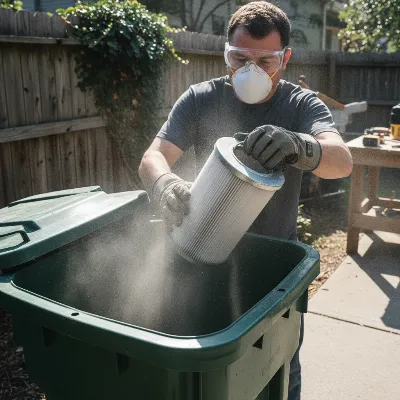 A person wearing gloves tapping a shop vacuum filter against a trash can outside to dislodge dry debris.
Deep Cleaning (for Washable Filters)
For washable filters, a more thorough cleaning will eliminate embedded grime and odor-causing particles. This section details how to wash, rinse, and properly dry your filter.
Washing with Water and Mild Soap
If your filter is explicitly labeled as washable, you can proceed with a wet cleaning. Use cold or lukewarm water to gently rinse the filter. Avoid using hot water, as it can damage some filter materials. For stubborn dirt and odors, fill a bucket with warm water and add a few drops of mild dish soap – dishwashing liquid is often effective at breaking down grease and grime. Submerge the filter in the soapy water and let it soak for about 10 minutes. After soaking, gently agitate the filter by plunging it up and down in the water to dislodge remaining particles. Avoid harsh scrubbing with brushes, which can damage the delicate fibers of the filter.
Rinsing Thoroughly
After washing, rinse the filter meticulously to remove all traces of soap and loosened debris. A garden hose with a moderate stream of water works well for this. Spray the filter from both the inside and outside, paying close attention to the pleats where dirt can hide. Continue rinsing until the water runs clear and no suds remain. Residual soap can hinder the filter’s performance and potentially cause new odors or attract dust.
The Importance of Complete Drying
This is arguably the most critical step in cleaning a washable filter to prevent future odors and mold growth. After rinsing, shake off excess water and place the filter in a well-ventilated area to air dry completely. Sunlight is an excellent natural disinfectant and can help speed up the drying process; aim for at least 24 hours of drying time. You can also use a high-velocity dryer on a low, cool setting, or compressed air (again, at low pressure) to carefully blow out residual water from the pleats. Ensure the filter is bone-dry before reassembling it into your shop vacuum. Any remaining moisture will lead to mildew and the return of unpleasant smells.
> “Never underestimate the power of thorough drying. A seemingly clean filter that’s still damp is an open invitation for mold and mildew, making all your cleaning efforts futile.” – Alex Miller, Industrial Cleaning Specialist
Cleaning Non-Washable Filters: Best Practices
For non-washable paper filters, attempting to wash them with water can cause irreversible damage, leading to tears, warping, and reduced filtration efficiency. For these types, dry cleaning methods are paramount. After performing the initial dry cleaning by tapping off loose debris, use compressed air (set to a low pressure, around 40 PSI) to carefully blow out embedded dust from the pleats. Always blow from the inside out to push debris away from the filter material, and wear safety glasses to protect your eyes from flying particles. If a non-washable filter remains excessively dirty, torn, or emits persistent odors after dry cleaning, it is time for a replacement. Keeping a spare filter on hand is a cost-effective way to ensure your shop vac is always ready.
Eliminating Odors from Other Shop Vacuum Components
A truly clean and odor-free shop vacuum goes beyond just the filter; other components can harbor smells too. Addressing these parts is essential for a comprehensive refresh.
The Canister
The main canister often accumulates residual dust, fine particles, and even liquid spills that can contribute to foul odors. After emptying it, give the canister a thorough scrub with hot, soapy water. A stiff brush can help dislodge caked-on grime. Rinse it completely with clean water, ensuring all soap residue is gone. Just like the filter, allow the canister to air dry completely, ideally outdoors in the sun for at least 24 hours, before reassembling the vacuum. Leaving the lid off during drying will promote better air circulation.
The Hose and Attachments
The hose and various attachments are often overlooked but can be significant sources of trapped dirt and odor. To clean the hose, you can fill the empty shop vacuum canister with a few gallons of hot water mixed with your favorite disinfectant (following manufacturer instructions) or a solution of water and vinegar. With the filter removed, suck up this cleaning solution, allowing it to thoroughly clean the inside of the hose and any attached nozzles. Empty the dirty solution, then suck up an equal amount of clean, fresh water to rinse. Alternatively, you can soak attachments in a bucket of the cleaning solution. Afterward, remove the hose and attachments and hang them where they can drain and air dry completely for at least 24 hours, preferably outdoors in direct sunlight. Also, inspect the hose and attachments for any physical blockages, such as clumps of hair or debris, and clear them out.
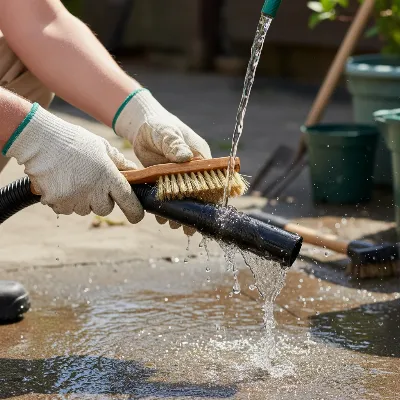 A person cleaning a shop vacuum hose and nozzle with water and a brush outdoors.
Addressing Lingering Smells
Even after a thorough clean, some stubborn odors might linger, especially if the vacuum has been exposed to particularly strong-smelling materials or pet accidents. For these situations, baking soda is an excellent natural deodorizer. After ensuring all components are dry, sprinkle a generous amount of baking soda into the clean canister and allow it to sit overnight before vacuuming it up. For persistent pet-related odors, using a pet-specific disinfectant designed to neutralize urine or dander smells can be very effective when cleaning the canister, hose, and attachments. Remember, however, to follow product instructions carefully and ensure thorough rinsing. Avoid using essential oils directly on filters, as some vacuum manufacturers warn this can damage components or even void warranties.
Pro Tips for Preventing Future Odors
Maintaining an odor-free shop vacuum is easier with a proactive approach. Incorporating these simple habits into your routine can prevent bad smells from taking hold and keep your shop vac performing optimally.
Regular Maintenance Schedule
Consistency is key to preventing unpleasant odors. Aim to clean your shop vac filter at least once a month, or more frequently if you use your vacuum for heavy-duty or wet tasks. Regularly emptying the canister or changing the filter bag also drastically reduces the chances of odor buildup. Establishing a routine helps ensure no debris sits long enough to start growing mold or bacteria.
Using Pre-Filters and Filter Bags
Extend the life of your main filter and minimize odor by utilizing pre-filters or filter bags. Pre-filters, such as simple foam sleeves or even a pool skimmer sock slipped over your main filter, capture larger particles before they reach the primary filter, making cleaning easier. Filter bags, especially for dry pickup, contain debris in an easily disposable package, preventing it from adhering to the canister walls or the main filter. These accessories are inexpensive and significantly reduce the frequency of deep cleaning your primary filter.
Best Practices for Wet and Dry Pickups
To prevent mold and mildew, which are major sources of odor, be mindful of what you’re vacuuming. When picking up wet messes, ensure you use the appropriate foam filter. Crucially, always empty the wet contents immediately after use and allow the canister, hose, and filter (if washable) to dry completely before storing the vacuum. For dry pickups, use a dry-specific filter and empty the canister promptly, especially when dealing with fine dust like drywall, which can absorb moisture and become musty.
Avoiding Odor-Causing Debris
Certain materials are more prone to causing bad smells. Avoid vacuuming up excessive food waste, pet accidents, or other organic matter that can quickly decompose and harbor bacteria. If you must vacuum such items, clean the entire vacuum system immediately afterward, including the canister, hose, and filter. Being selective about what goes into your shop vac can save you a lot of future cleaning headaches.
Storage Tips
Proper storage can also play a role in preventing odors. Always ensure your shop vacuum is completely dry before storing it. Store the vacuum in a cool, dry, and well-ventilated area. Leaving the lid slightly ajar or the hose detached can promote airflow and prevent moisture from getting trapped, which could lead to musty smells over time.
Conclusion
A smelly shop vacuum filter is more than just an annoyance; it’s a sign that your essential tool needs attention. By understanding the causes of these odors and following a diligent DIY cleaning regimen for both your filter and other components, you can effectively eliminate unpleasant smells and significantly improve your vacuum’s performance. Remember the golden rules: always prioritize safety, identify your filter type for appropriate cleaning, ensure thorough drying, and maintain a regular cleaning schedule. A well-maintained shop vacuum not only works more efficiently but also contributes to a cleaner, fresher workspace. What are your go-to tips for keeping your shop vac smelling clean?
Frequently Asked Questions
How often should I clean my shop vac filter?
Ideally, you should clean your shop vac filter monthly, or more frequently if you regularly tackle heavy-duty tasks or wet messes. Regular cleaning prevents debris buildup, maintains suction power, and proactively eliminates odor-causing bacteria and mold.
Can I use bleach to clean my shop vac filter?
It is generally not recommended to use bleach on shop vac filters, as it can be too harsh and may damage the filter material, reducing its effectiveness or lifespan. Mild dish soap or a dedicated disinfectant designed for household use, followed by thorough rinsing, is usually sufficient and safer.
What happens if I don’t dry my filter completely?
If you don’t dry your filter completely after washing, residual moisture will create an ideal environment for mold and mildew to grow. This will quickly lead to persistent musty odors and can compromise the filter’s integrity and filtration capabilities.
Can a smelly shop vac filter be harmful?
Yes, a smelly shop vac filter can be harmful. The odors often indicate the presence of mold, mildew, or bacteria, which can release spores and allergens into the air you breathe, potentially causing respiratory issues or allergic reactions, especially for sensitive individuals.
Are all shop vac filters washable?
No, not all shop vac filters are washable. While foam filters and some pleated cartridge filters are designed for wet cleaning, many paper cartridge filters are not. Always consult your shop vacuum’s owner’s manual to determine if your specific filter is washable before attempting a wet clean.
Frequently Asked Questions
How often should I clean my shop vac filter?
You should clean your shop vac filter at least once a month, or more frequently if you use it for heavy-duty or wet tasks. This regular maintenance prevents debris buildup, maintains optimal suction power, and eliminates odor-causing bacteria and mold.
Can I use bleach to clean my shop vac filter?
It is generally not recommended to use bleach on shop vac filters because it can be too harsh and may damage the filter material. Mild dish soap or a dedicated household disinfectant, followed by thorough rinsing, is usually sufficient and safer for cleaning.
What happens if I don't dry my filter completely?
If you don't dry your filter completely after washing, residual moisture creates an ideal environment for mold and mildew growth. This will quickly lead to persistent musty odors and can compromise the filter's integrity and filtration capabilities, reducing its lifespan.
Can a smelly shop vac filter be harmful?
Yes, a smelly shop vac filter can be harmful. The odors often indicate the presence of mold, mildew, or bacteria, which can release spores and allergens into the air you breathe. This can potentially cause respiratory issues or allergic reactions, especially for sensitive individuals.
Are all shop vac filters washable?
No, not all shop vac filters are washable. While foam filters and some pleated cartridge filters are designed for wet cleaning, many paper cartridge filters are not. Always consult your shop vacuum's owner's manual to determine if your specific filter is washable before attempting a wet clean.
How to Deep Clean Your Smelly Shop Vacuum Filter
This guide provides a step-by-step process to safely and effectively deep clean your shop vacuum filter and other components, eliminating foul odors and restoring performance.
Always turn off and unplug your shop vacuum before starting any cleaning. Wear work gloves and a dust mask. Unlatch and remove the motor head, then carefully lift off the filter assembly and empty any loose debris from the canister.
Take the filter outdoors to a well-ventilated area. Gently tap the filter against a hard surface or inside a trash bag to dislodge loose dust and debris. For non-washable filters, use compressed air (around 40 PSI) to blow out embedded dust from the inside out.
For washable filters, rinse with cold or lukewarm water. For stubborn dirt, soak the filter in warm water with a few drops of mild dish soap for about 10 minutes, then gently agitate. Avoid harsh scrubbing to prevent damage.
Rinse the filter meticulously with a garden hose until the water runs clear and no suds remain. Shake off excess water and place the filter in a well-ventilated area to air dry completely for at least 24 hours, preferably in sunlight, to prevent mold and mildew.
Scrub the canister with hot, soapy water and rinse thoroughly, allowing it to air dry completely. Clean the hose and attachments by sucking up a hot water and disinfectant solution, then rinsing with clean water. Store the vacuum dry in a cool, well-ventilated area.

This was super helpful! I always just tapped out my filter, but the wet washing step for my washable filter made a huge difference. I didn’t realize how much pet hair and other gunk was really stuck in there, causing that musty smell. It’s almost like having a new filter.
The advice on cleaning the filter was solid, especially about the mold and mildew. My only issue is that it took a really long time for my filter to dry completely, even with a fan. I wish there was a quicker way to get it ready for use again, as I needed my vac sooner.
My shop vac always smelled like old food scraps because I use it for kitchen cleanups sometimes. I followed the systematic approach for dry cleaning and then wet washing, and it worked wonders. The motor even sounds a little happier now that the filter isn’t so clogged. Great advice!
I’ve been dealing with a stinky shop vac for months and couldn’t figure out why. The tip about damp organic matter, especially wet sawdust, was a game-changer. After a good deep clean and letting it dry for over 24 hours, the smell is completely gone. My garage smells so much better now!